Trade between Malaysia and the United States continues to grow, increasing demand for shipping from Malaysia to the US, especially for electronics, medical devices, automotive parts, and industrial goods. As more companies diversify away from China, Malaysia has become a key export hub offering competitive manufacturing and efficient access to global trade routes.
Malaysia and US Trade
Malaysia and the US maintain a strong partnership under the US–Malaysia Trade and Investment Framework Agreement (TIFA). In 2024 alone, Malaysia’s exports to the United States reached US$43.43 billion, led by electronics, semiconductor equipment, medical products, and industrial goods. These sectors drive continuous demand for shipping from Malaysia to the US, especially from Penang and Johor, where many global manufacturers operate.
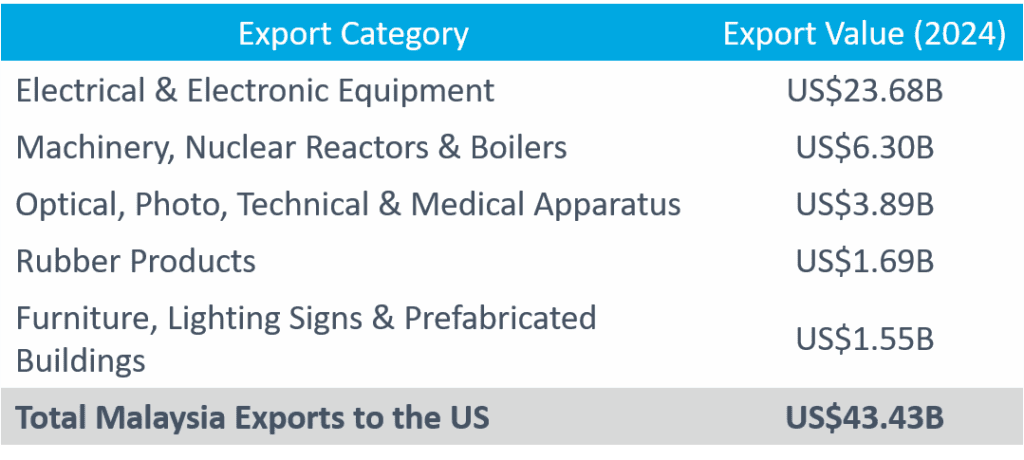
As Malaysia strengthens its semiconductor ecosystem, especially in Penang’s Silicon Island, more US brands are sourcing from Malaysia to build resilient supply chains.
Gateways for Shipping from Malaysia to the US
Malaysia relies on well-developed airports and seaports to support global trade. The three main logistics corridors for shipping from Malaysia to the US are the Klang Valley, Penang, and Johor. These gateways support shipping from Malaysia to the US, particularly for electronics, medical equipment, heavy machinery, and industrial products.
Air Freight Shipping from Malaysia to the US: Major Airports
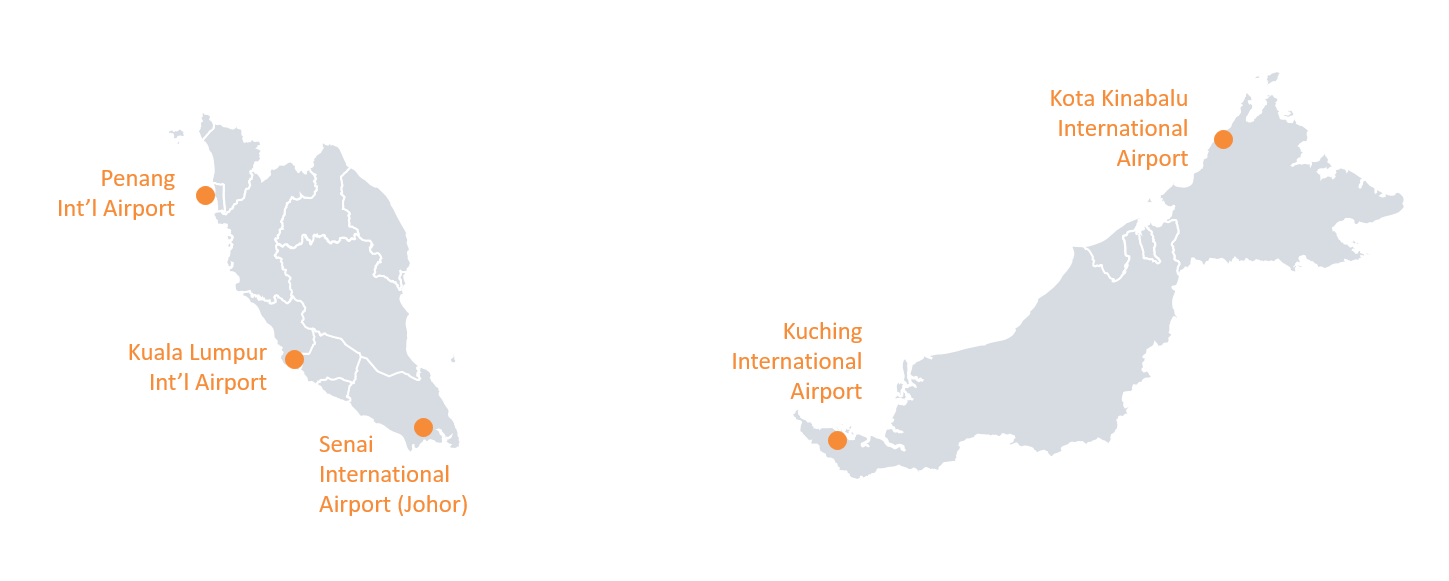
- Kuala Lumpur International Airport (KUL) – Malaysia’s main cargo hub supporting high-tech, eCommerce, and industrial goods.
- Penang International Airport (PEN) – Major gateway for semiconductor, electronics, and medical devices.
- Senai International Airport – Johor (JHB) – Supports cross-border manufacturing with Singapore companies.
- Kota Kinabalu International Airport (BKI) – Growing role in agriculture and seafood exports.
- Kuching International Airport (KCH) – Mainly perishables and regional cargo connections.
Ocean Freight Shipping from Malaysia to the US: Major Seaports

- Port Klang (MYPKG) – Malaysia’s busiest port; main export gateway to US West & East Coasts.
- Port of Tanjung Pelepas (TPP) – One of Asia’s largest transshipment hubs
- Penang Port (MYPEN) – Front-end semiconductor and electronics exports.
- Johor Port (PGU) – Machinery, heavy equipment, and industrial cargo. Also known as Pasir Gudang Port
- Bintulu Port (MYBTU) – Specialized in energy, chemical, and bulk commodities.
Most shipments to the US depart from Port Klang or PTP, with frequent services to US destinations such as Los Angeles, Long Beach, Oakland, Seattle, Savannah, New York, and Norfolk. Learn more about Malaysia’s seaport here.
Weather Considerations When Shipping from Malaysia to the US
Malaysia has two monsoon seasons (May–September and November–March), and heavy rainfall can slow trucking around Klang Valley and Penang. Moisture-sensitive shipments such as electronics and medical devices may require waterproof protection, corner posts, and pallet strapping. Severe weather at earlier ports can also lead to port omissions affecting Malaysia-bound vessels, causing delays of up to two weeks. Working with a freight forwarder experienced in weather-driven planning helps prevent route changes and cargo damage. Dimerco Malaysia has been serving the Malaysia market since 1984, with locations in key states including Penang, Kuala Lumpur, Johor and Ipoh.

Malaysia to US Shipping: Choosing Between Air and Ocean Freight
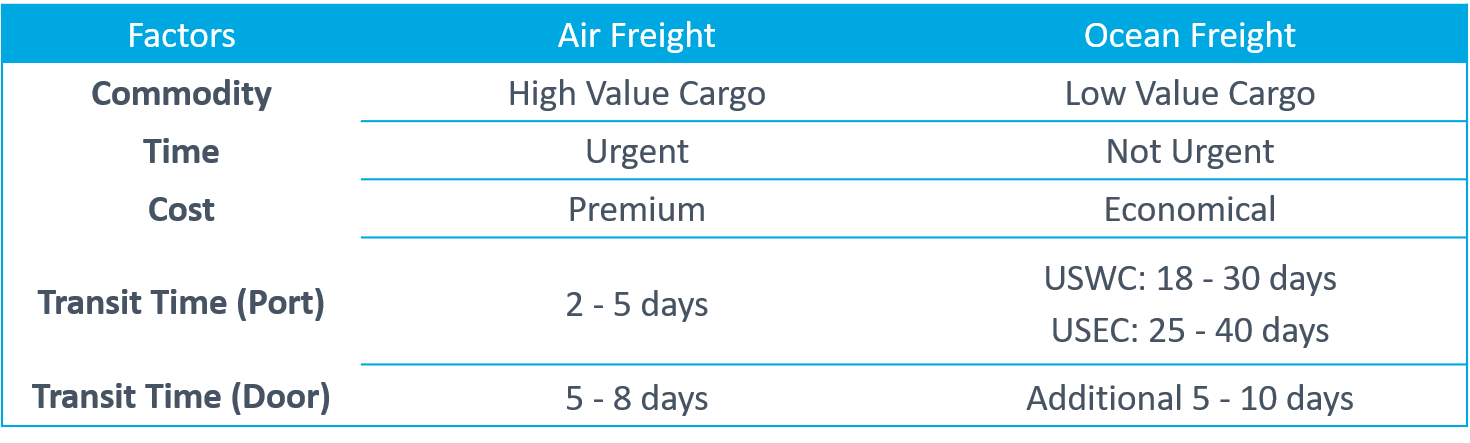
For most businesses shipping from Malaysia to the US, choosing between air and ocean freight will depend on urgency, volume, and cargo value. Air freight is ideal for urgent or high-value products such as semiconductors, electronics, and medical instruments. Transit times typically range from 2 to 5 days airport-to-airport and 5 to 8 days door-to-door. Because direct flights from Malaysia to the US are limited, most shipments transit through major hubs such as Hong Kong, Taipei, Singapore, or Seoul. During peak seasons, space constraints at these hubs can lead to longer transit times and higher air freight premiums.
For bulk or non-urgent cargo such as furniture, rubber products, chemicals, and heavy equipment, ocean freight offers a more economical solution. Transit typically takes 18–30 days to the US West Coast and 25–40 days to the East Coast, plus 5–10 days for door delivery. Larger volumes can be optimized using 40-foot containers to minimize cost per unit.
Preparing for Import into the US
When shipping goods from Malaysia to the US, exporters must comply not only with Malaysian export requirements, but also with US import regulations, including customs classification, documentation, and now important tariff considerations as defined by US trade policy.
You must use the Harmonized Tariff Schedule (HTS) code, which is the US-specific version of the HS code, to determine the correct duties. Always ensure you classify your products accurately using the HTS to avoid delays and penalties.
Two key filings must be completed by your freight forwarder as well before cargo arrives at US ports:
- Automated Manifest System (AMS) – Required for all shipments.
- Importer Security Filing (ISF) – Required for ocean freight shipments only.
US Tariff on Malaysian Exports
As of mid-2025, the US applies a reciprocal tariff on imports from Malaysia, with a baseline 19% ad valorem rate for most goods. However, certain sectors, such as selected semiconductor and pharmaceutical products, are exempt from the reciprocal tariff. Since exemptions change, shippers should confirm HS/HTS classification and tariff status before booking cargo. Stay updated with the latest US tariff update here.
Choose a CTPAT-Certified Forwarder
 For hassle-free customs clearance, consider working with a freight forwarder that is CTPAT-certified. A CTPAT-certified freight forwarder offers faster customs clearance, reduced inspection risk, enhanced cargo security, and greater credibility in global trade. Dimerco USA has held this certification for decades and ensures that every shipment meets US Customs and Border Protection standards.
Shipping from Malaysia to the US
Shipping from Malaysia to the US involves multiple considerations, from gateway selection and route planning to HTS compliance and evolving tariff rules. A knowledgeable freight forwarder helps minimize shipping costs, reduce duty exposure, and prevent customs delays. Need trusted support for your next shipment from Malaysia to the US? Start a discussion with us!