Home » Services » Freight Forwarding Services »
International Ocean Freight Shipping
When Affordable Transit Is Your Priority
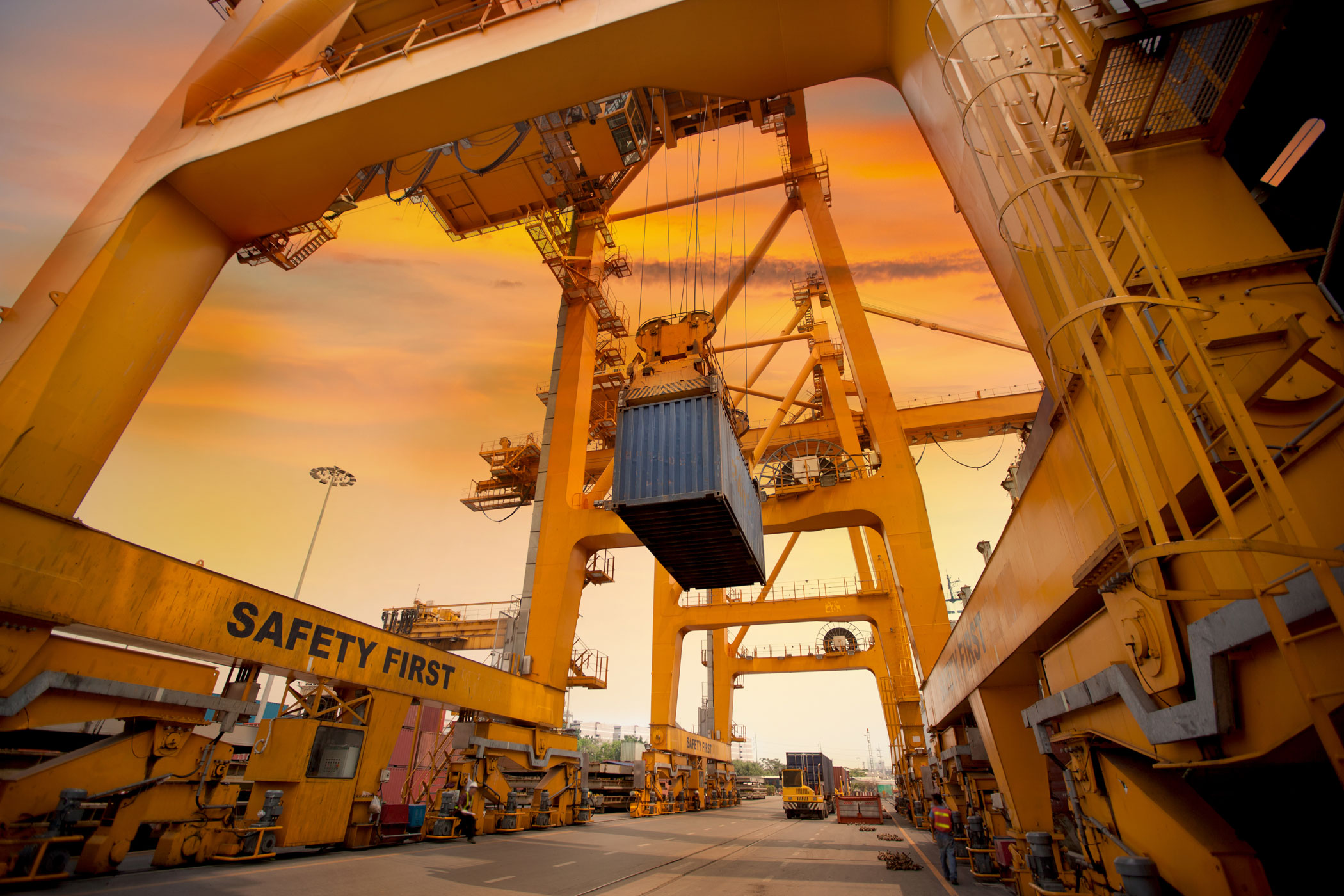
When rising freight costs impact your margins, you need a partner who can secure reliable, cost-effective capacity on the lanes that matter most. Leverage Dimerco’s preferred partner status with top Asia-based carriers to access the cost-effective capacity you need for international ocean shipping, including high-demand lanes such as sea freight from China to the USA and other Asia–global trade routes.
Committed Capacity
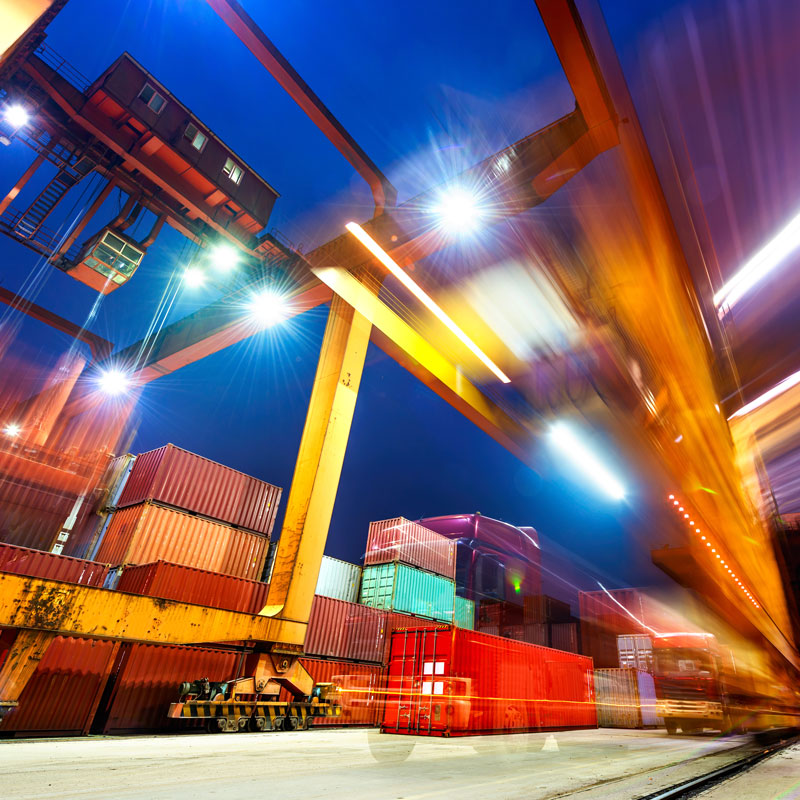
Top 50 ocean freight forwarder with strong capacity across key Asia-Pac lanes, including China to US ocean freight shipping.
One-Stop Shop
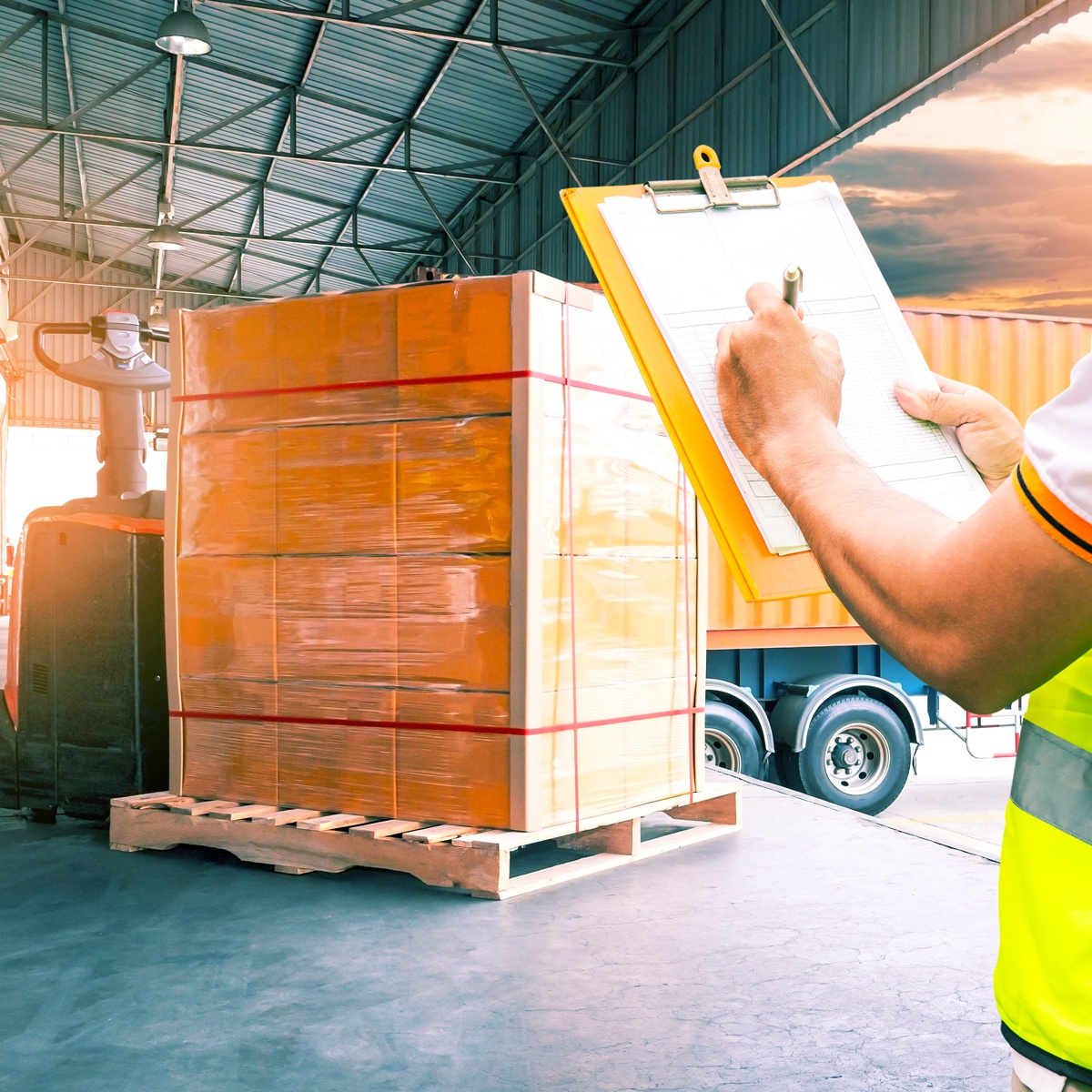
Door-to-door ocean freight services, including first-mile pickup, international ocean shipping, customs compliance, and last-mile delivery.

Personalized Service
A high level of personalized service you won’t get from the largest forwarders.
Strategic Carrier Partners

Ocean Freight Services
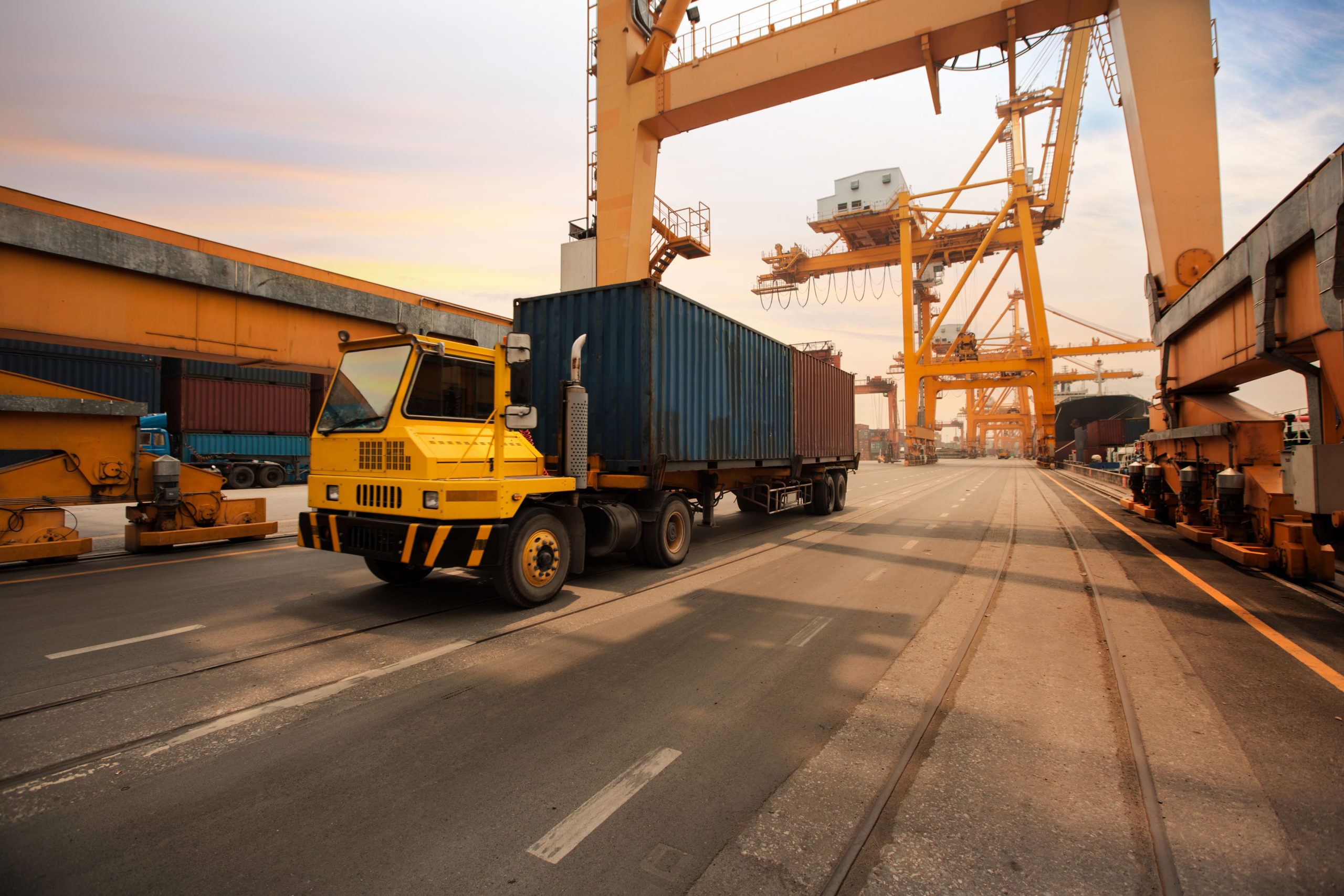
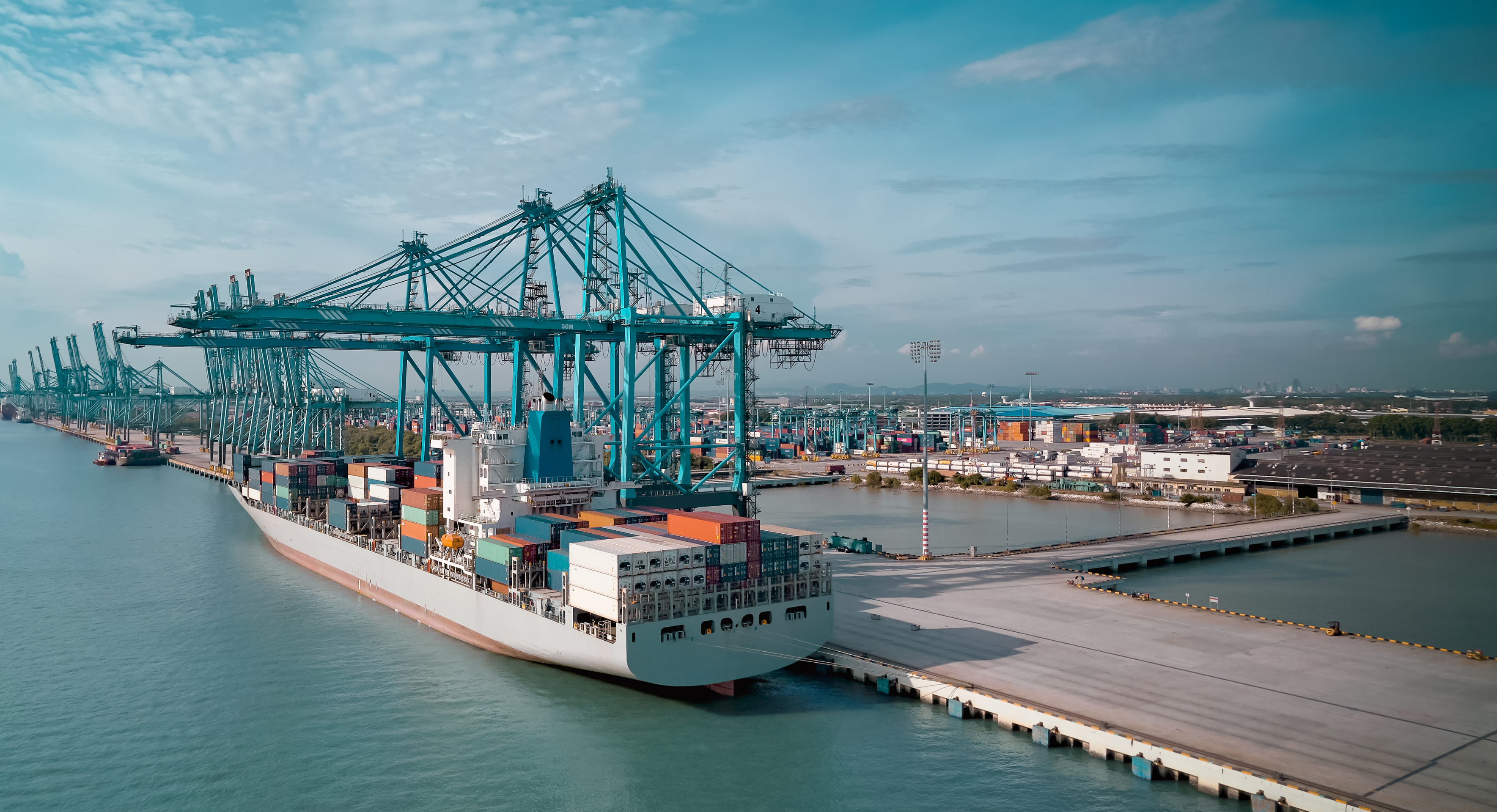
Dimerco is an NVOCC offering comprehensive ocean freight shipping services, including both full container load (FCL) and less than container load (LCL), optimized for cost efficiency across major global trade lanes.
Buyer’s Consolidation Services
Dimerco manages high-volume LCL consolidation for international ocean freight shipments from Hong Kong and major ports in China, supporting global distribution and sea freight from China to USA. We receive inventory at Dimerco-operated CFS facilities and assign containers based on your product data and distribution needs. Upon arrival, containers move directly to consignees for faster, more cost-efficient delivery.
Cross-Dock Services
Cross-docking helps you manage uncertainty caused by production changes, port congestion, inspections, and schedule disruptions in international ocean shipping. This allows you to delay allocation decisions and better align with real-time market demand, especially on volatile trade lanes like Asia to North America.
Project Logistics
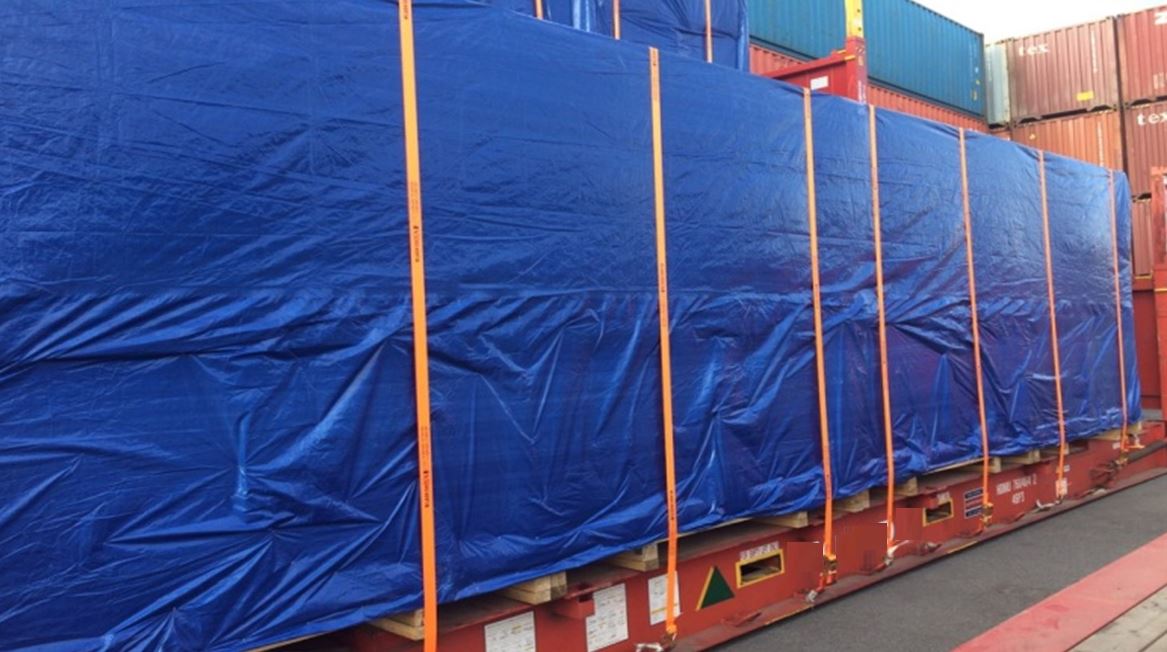
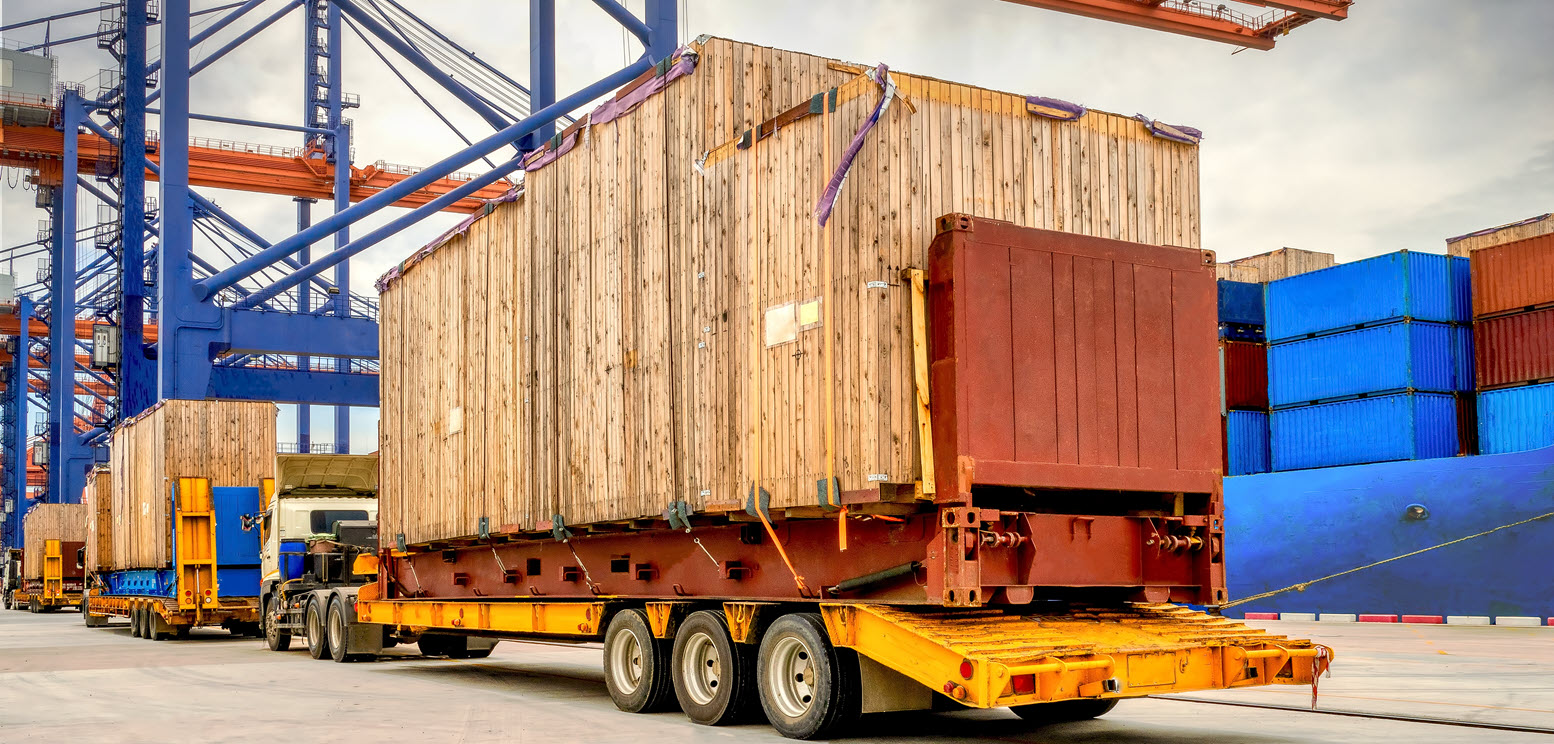
Dimerco specializes in international ocean freight for out-of-gauge and complex cargo that requires detailed planning, coordination, and specialized handling.
EDI/API support for rapid data integration
Our in-house IT team makes it easy to connect your systems with ours, improving visibility and control across your operations.
Check out our Equipment Specification Guide to learn about options for your ocean freight cargo.
Related services: Multimodal Transport, Customs Brokerage and Cargo Insurance .
Dimerco
in Action
Large Utility Company Gets Project Freight Help for Construction Project
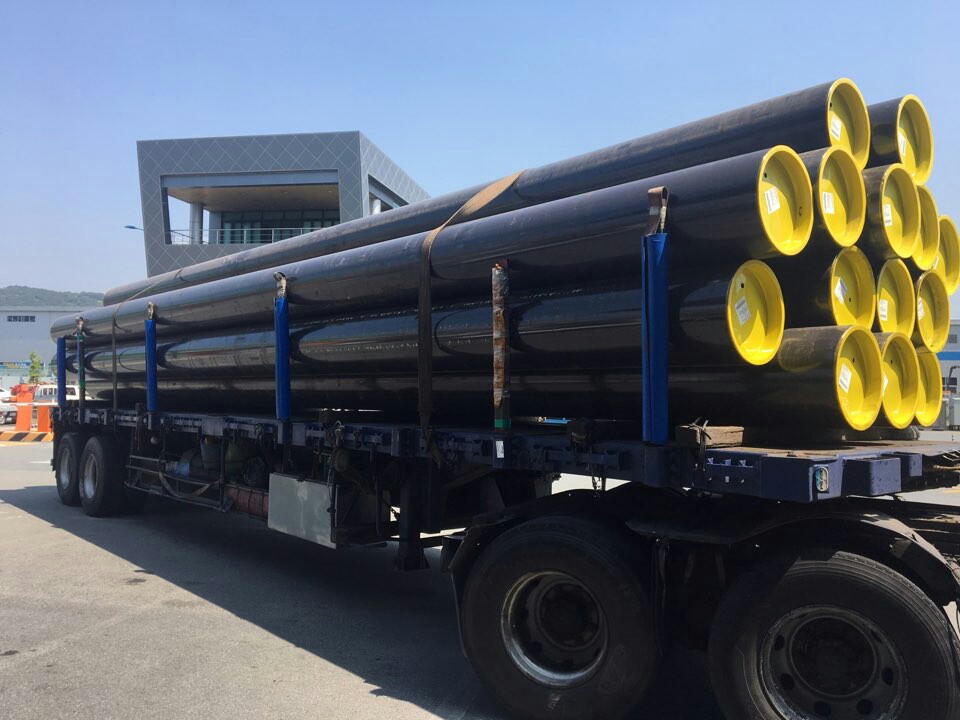
How do you ship 760,000 kgs of piping from Korea to the UAE for a major reservoir construction project, and achieve significant freight savings in the process?
Call Dimerco.
The Dimerco team in Korea coordinated international ocean freight shipping, local trucking, specialty packaging, and customs clearance to get the job done. To maximize efficiency, cargo was split between two carriers to quickly secure available capacity. Result: On-time delivery and a 9% cost savings over the previous provider.
Why Dimerco?

Strong Relationships With Global Carriers
Dimerco’s allocated space agreements help secure capacity for your ocean freight shipping, even during peak periods.
Seamless Door-to-Door Service
Work with one provider to coordinate all international ocean shipping, CFS operations, ground freight, and customs and compliance services.
Consistent, Reliable Services
Dimerco offices are ISO-certified and follow customer-specific SOPs on a single global operating system for seamless, paperless coordination.

Strong LCL Consolidation Program
Regular ocean freight services from China, Hong Kong, Taiwan, and Singapore to major ports in Asia and North America, helping smaller-volume shippers reduce costs.

Start a Discussion
Tell us your global logistics challenge, and we can recommend a solution that meets your objectives at the right price.
For immediate assistance, contact a local office.
Ocean Freight FAQs
What are the key differences between ocean freight and air freight, and when should I choose ocean freight?
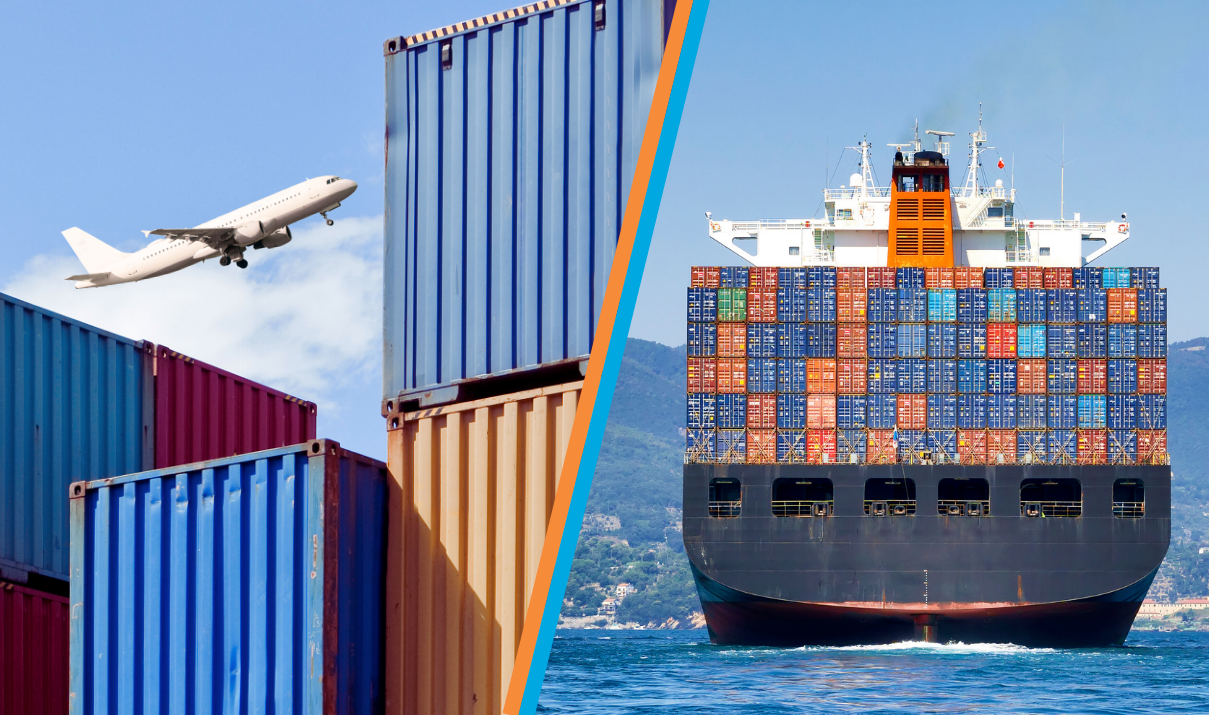
Companies typically choose ocean freight shipping when moving high-volume cargo, managing transportation costs, or shipping goods with longer lead times. While transit times are longer than air freight, ocean freight offers significant cost savings and is commonly used for raw materials, finished goods, and replenishment inventory.
What is the difference between full container load (FCL) and less than container load (LCL) shipping?
FCL is typically faster, more secure, and more cost-effective for larger volumes, as it involves fewer handling steps and touch points compared to LCL. LCL consolidates cargo from multiple shippers, which can add time due to additional processing at origin and destination. The right option depends on shipment size, budget, transit time requirements, and cargo sensitivity.
What factors affect ocean freight rates, and why do prices fluctuate so much?
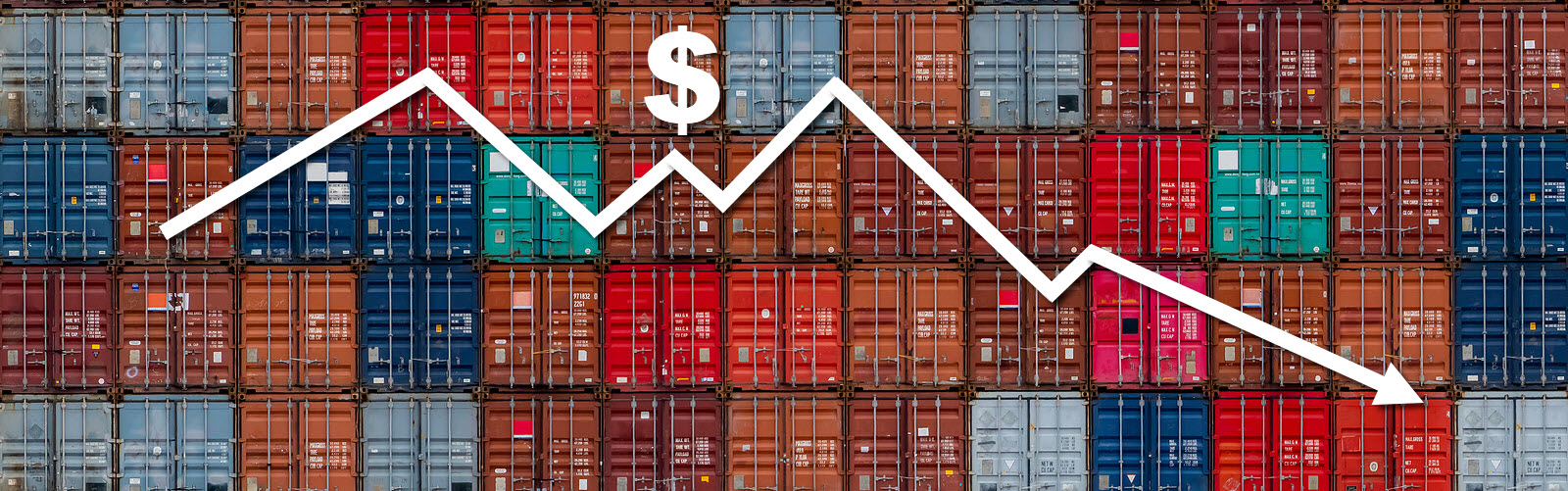
Rates for international ocean freight fluctuate due to demand, capacity, fuel costs, and port conditions, particularly on high-volume trade lanes like China to US sea freight routes. Additional charges such as bunker adjustment factors, congestion surcharges, and equipment imbalance fees also affect the total cost. Understanding these variables helps shippers plan budgets more effectively.
How does Dimerco manage ocean freight across multiple countries and ports?
Ocean freight shipments involve multiple handoffs between carriers, ports, and customs authorities. Dimerco aligns origin and destination teams on a single global system to improve coordination, manage exceptions, and maintain service consistency across Asia, North America, and Europe.
What documentation is required for international ocean freight shipping?
Accurate documentation is critical to avoid customs delays, unexpected duties and taxes, demurrage, or even potential shipment holds or blacklisting. Requirements may vary by destination and commodity, making advance preparation and coordination essential for smooth clearance at both origin and destination ports.
How do port congestion and blank sailings impact ocean freight transit times?
Congested ports may limit vessel berthing and container availability, while blank sailings reduce scheduled capacity. These disruptions can significantly impact transit times and do not resolve overnight – often requiring additional time for schedules and operations to return to normal. As a result, proactive monitoring and flexible routing strategies are essential to minimize delays and maintain supply chain continuity.
What sustainability considerations should companies evaluate when using ocean freight?
Sustainability efforts in ocean freight often focus on route optimization, efficient container utilization, and carrier selection. While slower than air freight, ocean freight shipping supports ESG goals by reducing emissions per unit shipped, especially for high-volume cargo.
Ocean Freight is the most cost-effective shipping method, so the process should be the simplest, right?
The cost-effectiveness of ocean freight has no direct correlation to compliance requirements. As more countries strengthen regulatory enforcement, the processes and documentation involved in ocean freight shipping have become more complex. Working with a logistics provider that has dedicated compliance expertise across key global markets helps reduce risk, avoid delays, and ensure shipments move smoothly.
Ocean Freight Articles











































Dimerco Updates
Sign up for Dimerco updates, plus regular insights on how to keep your global supply chains flowing smoothly.
By subscribing you agree to receive Dimerco newsletters, blog posts, and other updates. You can unsubscribe at any time via our Privacy Policy.