When Control and Efficiency Matter Most
Managing inventory, distribution, and after-sales support logistics across regions puts pressure on your operations. You need a contract logistics partner that delivers efficient third-party logistics (3PL) services while controlling costs and maintaining service levels.
Dimerco provides contract logistics services and 3PL solutions that connect warehousing and distribution with international freight forwarding. With operations across Asia, North America, and Europe, we support your supply chain from inbound materials to final delivery.
By taking advantage of Dimerco’s FTZ and bonded warehouse facilities in Asia and the US, you can defer duties and manage cash flow more effectively while keeping inventory positioned close to production and customers.
Strategic Contract Logistics Partners

Proven 3PL Warehouse and Distribution Services
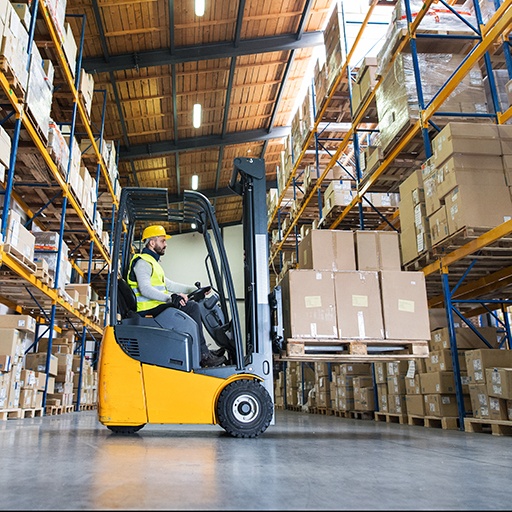
Integrated Warehousing and Distribution
Manage inbound materials to production and outbound orders to customers with connected inventory control and fulfillment services.
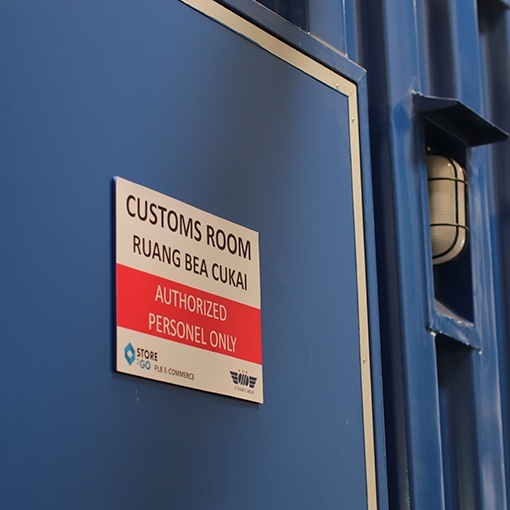
Bonded and Free Trade Zone Warehousing
Store goods in bonded facilities to defer duties and improve cash flow while positioning inventory closer to demand.
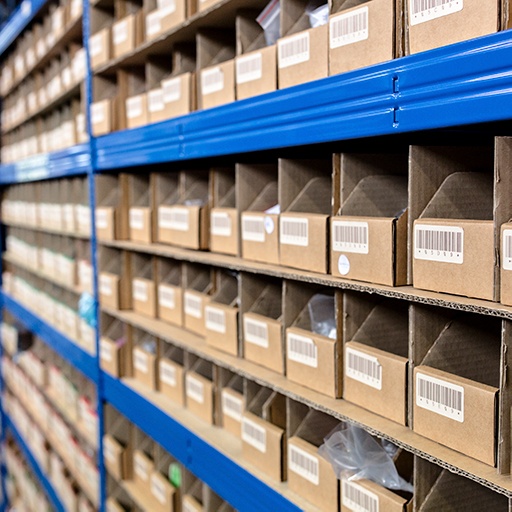
Service Logistics and After-Sales Support
Position spare parts near customers and respond quickly to field service needs to support uptime and customer satisfaction.
Why Dimerco for Contract Logistics?

Strong Asia Presence with Global Reach
Many supply chains depend on Asia for production and sourcing. Dimerco provides local expertise across China, India, and Southeast Asia while connecting to global markets.

Integrated 3PL and Contract Logistics Services
Warehousing, distribution, and transportation are managed together, not in silos. This improves coordination and reduces handoff delays.

Flexible Solutions for Changing Demand
Our flexible mid-sized structure and strong freight buying power enable faster decisions and adaptable solutions tailored to your requirements.

Reliable Global Logistics Operations
Standard operating procedures across all locations support consistent service and performance, no matter where your freight flows.

Start a Discussion
Tell us your global logistics challenge, and we can recommend a solution that meets your objectives at the right price.
For immediate assistance, contact a local office.
Contract Logistics FAQs
What is contract logistics, and how is it different from traditional warehousing?
Contract logistics is a long-term, customized third-party logistics (3PL) solution that integrates warehousing, inventory management, and value-added services tailored to a company’s supply chain needs.
Unlike traditional warehousing, which focuses primarily on storage, outsourced logistics services involve designing and managing end-to-end warehouse and distribution operations. These services are customized to support specific business requirements such as order fulfillment, inventory control, kitting, postponement, system integration, trade compliance, and reverse logistics.
What types of services are typically included in a contract logistics solution?
Contract logistics solutions typically include warehousing, inventory management, order fulfillment, and value-added 3PL services tailored to operational requirements.
Services may include inbound receiving, storage, pick-and-pack, labeling, kitting, postponement, returns management, and final delivery coordination. Contract logistics often integrates with transportation and IT systems to improve visibility, accuracy, and operational efficiency across the supply chain.
How does contract logistics help improve supply chain efficiency and cost control?
Contract logistics improves efficiency by streamlining warehouse operations, optimizing inventory levels, and reducing handling, storage, and distribution costs.
By outsourcing complex logistics functions to a specialized 3PL provider, companies can benefit from standardized processes, scalable resources, and better use of warehouse space and labor. This approach helps reduce total logistics cost while improving order accuracy, service levels, and responsiveness to market demands.
What compliance and regulatory requirements should companies consider in contract logistics?
Companies should consider import regulations, product-specific certifications, customs requirements, and documentation when using contract logistics services.
Different countries and product categories require specific permits, certifications, and documentation for import, storage, and distribution. A contract logistics provider helps manage these requirements by coordinating customs processes, ensuring proper documentation, and maintaining compliance with local regulations. This reduces the risk of delays, penalties, or shipment disruptions.
How does Dimerco design and customize contract logistics solutions for different industries?
Dimerco designs contract logistics solutions based on industry requirements, product characteristics, volume patterns, and service-level expectations.
Different industries have unique logistics needs, such as high-value electronics, regulated medical products, or fast-moving consumer goods. Dimerco customizes warehouse layouts, processes, and technology to support these requirements while ensuring compliance, scalability, and operational consistency across regions. Dimerco has industry certifications and accreditations, such as TAPA and GDP, to support specific service requirements.
How does contract logistics support inventory visibility and control across multiple locations?
Contract logistics improves inventory visibility through integrated warehouse systems, standardized processes, and real-time reporting.
Centralized data and consistent operating procedures allow companies to track inventory levels, movements, and performance across multiple facilities. This visibility supports better forecasting, replenishment planning, and faster response to disruptions or demand changes. We use an electronic warehouse management system (eWMS) for operations and inventory management and provide MyDimerco customer portal access to improve visibility. We can also integrate our eWMS with customer ERP systems, such as SAP, to enable data synchronization.
What sustainability considerations should companies evaluate when using contract logistics?
Contract logistics can support sustainability goals through efficient warehouse design, optimized inventory management, and reduced transportation waste.
Sustainability initiatives may include energy-efficient facilities, optimized storage and picking strategies, and reduced handling and rework. By improving inventory accuracy and distribution efficiency, contract logistics helps lower overall supply chain emissions and operational waste. We can also measure ESG-related CO2 emissions for our customers.
How does contract logistics scale to support business growth or seasonal demand fluctuations?
Contract logistics solutions are designed to scale by adjusting space, labor, and processes as business volumes change.
As demand increases or fluctuates seasonally, contract logistics providers can expand and shrink warehouse capacity, labor resources, and operational workflows without requiring customers to invest in fixed infrastructure. This flexibility supports growth while minimizing risk and capital expenditure. We can ensure sufficient operational capacity during peak seasons to support customer requirements.
Can a company use contract logistics services without a local entity in the destination country?
Yes, companies can use contract logistics and third-party logistics (3PL) services without a local entity by working with a provider that offers Importer of Record (IOR) support and local compliance expertise.
Many companies expand into new markets without establishing a legal entity. In these cases, a 3PL provider can act as the Importer of Record (IOR) or coordinate with a licensed partner to manage customs clearance, duties, and regulatory requirements. This approach allows businesses to store, distribute, and sell goods in new regions while maintaining compliance and reducing setup time.
What are the benefits of using bonded warehouses or free trade zones in contract logistics?
Bonded warehouses and free trade zones support contract logistics by allowing duty deferment that improves cash flow and enables flexible inventory management.
Using bonded or free-trade-zone facilities allows companies to store imported goods without immediately paying duties or taxes. Duties are only applied when goods enter the domestic market. This setup supports regional distribution strategies, inventory consolidation, and re-export operations while reducing upfront costs and improving supply chain flexibility.
Dimerco Updates
Sign up for Dimerco updates, plus regular insights on how to keep your global supply chains flowing smoothly.
By subscribing you agree to receive Dimerco newsletters, blog posts, and other updates. You can unsubscribe at any time via our Privacy Policy.