
Taipei, July 24, 2026 – Dimerco Express Group (TWSE: 5609) today held its investor conference under the theme, “Mid-Year 2026 Supply Chain Outlook: From Market Volatility to Strategic Opportunities,” sharing its latest perspectives on the evolving global supply chain landscape.
Dimerco noted that global supply chains are entering a new era of structural transformation. Trade policies, geopolitical developments, ocean freight capacity, shifting global trade flows, and AI infrastructure investments are reshaping cargo movements and redefining the role of logistics providers. Competitive advantage in logistics is no longer determined solely by transportation efficiency, but by the ability to help customers navigate policy changes, manage supply chain risks, improve resilience, and capture opportunities arising from supply chain reconfiguration.
Chairwoman of Dimerco Express Group, Ms. Catherine Chien, commented, “What we are witnessing is no longer just an economic cycle, but a fundamental shift in global supply chains. Companies today are facing challenges beyond freight rate fluctuations, including tariff policies, geopolitical uncertainties, supply chain diversification, and AI-driven investments. The value of logistics services is evolving from transportation management to encompass supply chain strategy, trade compliance, and risk management.”
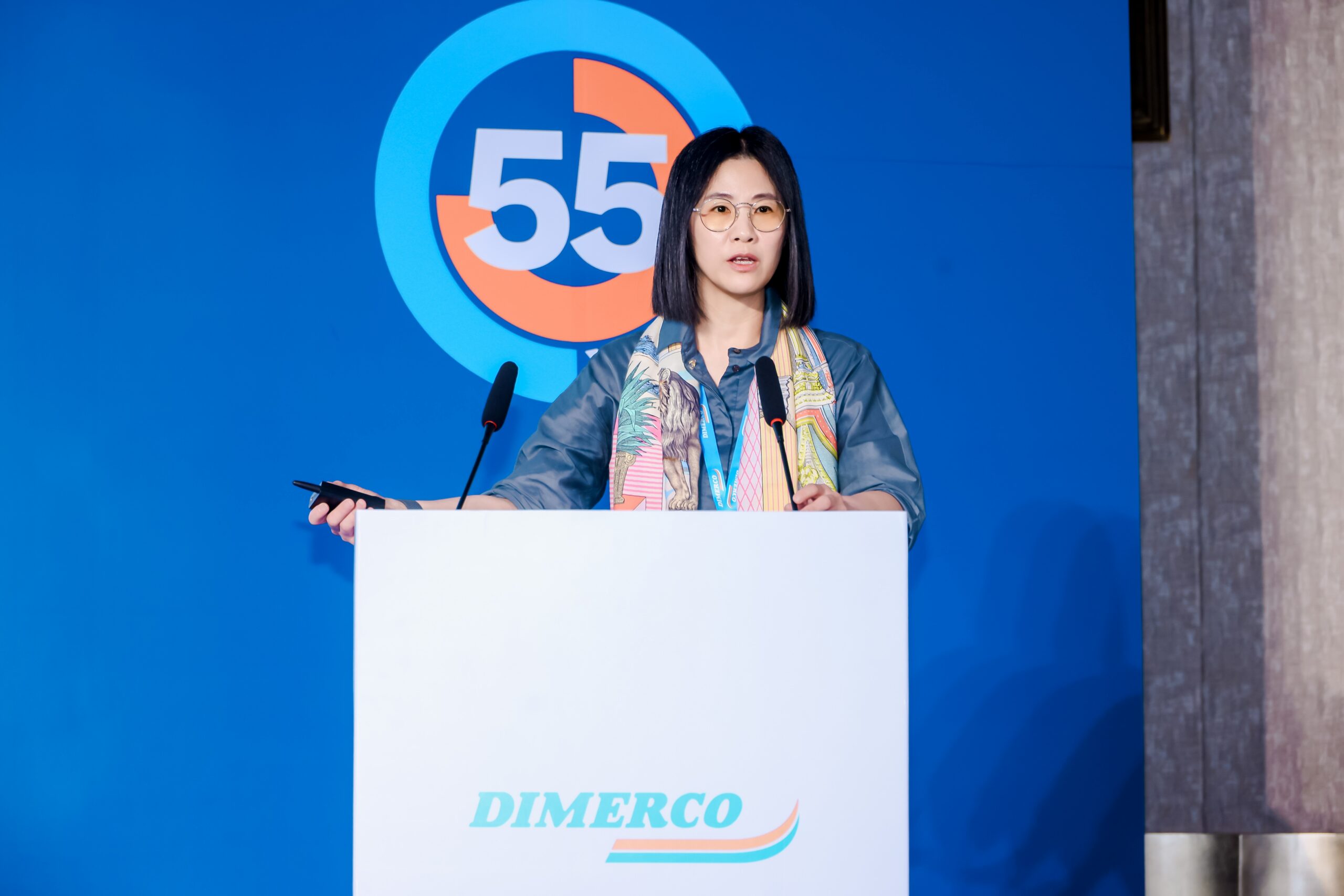
Global Supply Chains Enter a New Structural Phase
According to Dimerco, five structural forces are driving the most significant changes in global supply chains this year.
First, trade policy has become one of the most critical variables affecting global logistics. Recent U.S. regulatory adjustments, including Importer of Record (IOR) requirements, Section 301 tariffs, and measures under the International Emergency Economic Powers Act (IEEPA), indicate a shift from broad-based tariff policies toward more targeted management based on country, product category, and enterprise profile. As a result, supply chain planning now requires trade compliance to become an integral part of business strategy rather than focusing solely on transportation costs.
Second, geopolitical uncertainty has become the new normal. Developments in the Middle East, fluctuations in energy prices, and risks affecting key shipping routes continue to highlight the importance of supply chain resilience. Businesses are increasingly balancing cost optimization with risk management and operational flexibility.
In the ocean freight market, supply and demand remain relatively balanced in 2026. However, the delivery of significant new vessel capacity between 2027 and 2028 is expected to create a new competitive cycle in global shipping. At the same time, global trade flows continue to shift. China’s export focus is gradually expanding toward ASEAN, India, and other emerging markets, while exports of high-value goods from Taiwan and Southeast Asia to the United States continue to grow. Rather than simple “de-China” trends, supply chains are becoming more diversified and regionalized.
Dimerco also emphasized that AI has emerged as a major driver of the next phase of growth in global logistics. As AI advances from model training to commercial applications, demand for AI servers, semiconductors, high-performance computing equipment, and data center infrastructure continues to generate significant opportunities for high-value logistics. Taiwan is also playing an increasingly important role in the global AI supply chain.
55 Years of Strategic Positioning Create New Opportunities
Dimerco noted that current supply chain developments closely align with the company’s long-term strategy.
Since its founding in 1971, Dimerco has grown alongside Asia’s manufacturing industry and global supply chains, building 55 years of experience in Taiwan and 50 years in the United States. Over the decades, the company has established an extensive network across Asia, North America, and Europe. As companies accelerate supply chain diversification and regionalization strategies, Dimerco’s deep operational presence in Asia and cross-regional integration capabilities are becoming increasingly valuable.
Today, approximately 50% of Dimerco’s revenue comes from semiconductor and high-tech logistics. The company serves more than 350 semiconductor customers and maintains an average on-time delivery rate exceeding 98% for time-critical shipments. Dimerco has developed end-to-end supply chain capabilities connecting manufacturing bases in Asia with AI data centers worldwide. As AI infrastructure investment continues to expand, Dimerco is strengthening its air freight, ocean freight, bonded warehousing, project logistics, trade compliance, and integrated supply chain services to support customers in capturing emerging opportunities.
Trade compliance is also becoming an increasingly important component of corporate competitiveness. To date, Dimerco has successfully assisted customers in securing more than US$32 million in IEEPA tariff refunds, demonstrating how logistics services are evolving beyond transportation management into higher value-added areas such as supply chain planning, tariff management, and risk control.
Looking Ahead
Ms. Chien added, “55 years ago, Dimerco grew alongside the rise of Asia’s manufacturing sector. Today, we stand at the intersection of AI, global supply chain transformation, and a new trade environment. We believe the value of logistics goes beyond moving goods—it is about helping customers connect with global markets, reduce risk, and build competitive advantages amid change. Dimerco will continue to leverage Asia as its foundation, connect global markets, and support customers in navigating the next era of supply chains.”
About Dimerco
Dimerco Express Group integrates air and ocean freight, trade compliance, and contract logistics services to make global supply chains more effective and efficient. The majority of the company’s global logistics projects connect Asia’s manufacturing and logistics hubs with each other, as well as with North America and Europe. Founded in Taiwan in 1971 as an air freight forwarder, Dimerco now serves customers through more than 150 company-owned offices, 80 contract logistics operations, and over 200 strategic partner agents across China, India, Asia Pacific, North America, and Europe. Guided by its mission, Connecting Asia with the World, Dimerco helps customers build more resilient, agile, and competitive global supply chains.