Home » Services » Supply Chain Solutions »
Sustainable Aviation Fuel (SAF)
Reduce Air Freight Emissions Without Changing Your Operations
Air freight is critical for speed and reliability, especially across Asia to US and Asia to Europe trade lanes, where Dimerco supports high-tech and time-sensitive supply chains. It is also one of the highest-emission transport modes.
Dimerco helps customers reduce air freight emissions through sustainable aviation fuel (SAF) while maintaining existing transit times, routes, and service levels.
Through airline partnerships, carbon reporting, and digital tools, customers can turn air cargo sustainability goals into measurable and reportable results across their international freight forwarding operations.
How Sustainable Aviation Fuel Works
SAF is made from renewable sources such as used cooking oil and waste materials. Compared to conventional jet fuel, it can reduce lifecycle carbon emissions by up to 80 percent.
SAF is a drop-in fuel, meaning it can be blended with conventional jet fuel and used in existing airport fuel systems and aircraft without changing how shipments move within standard air freight services.
How Dimerco Supports SAF Air Freight Adoption
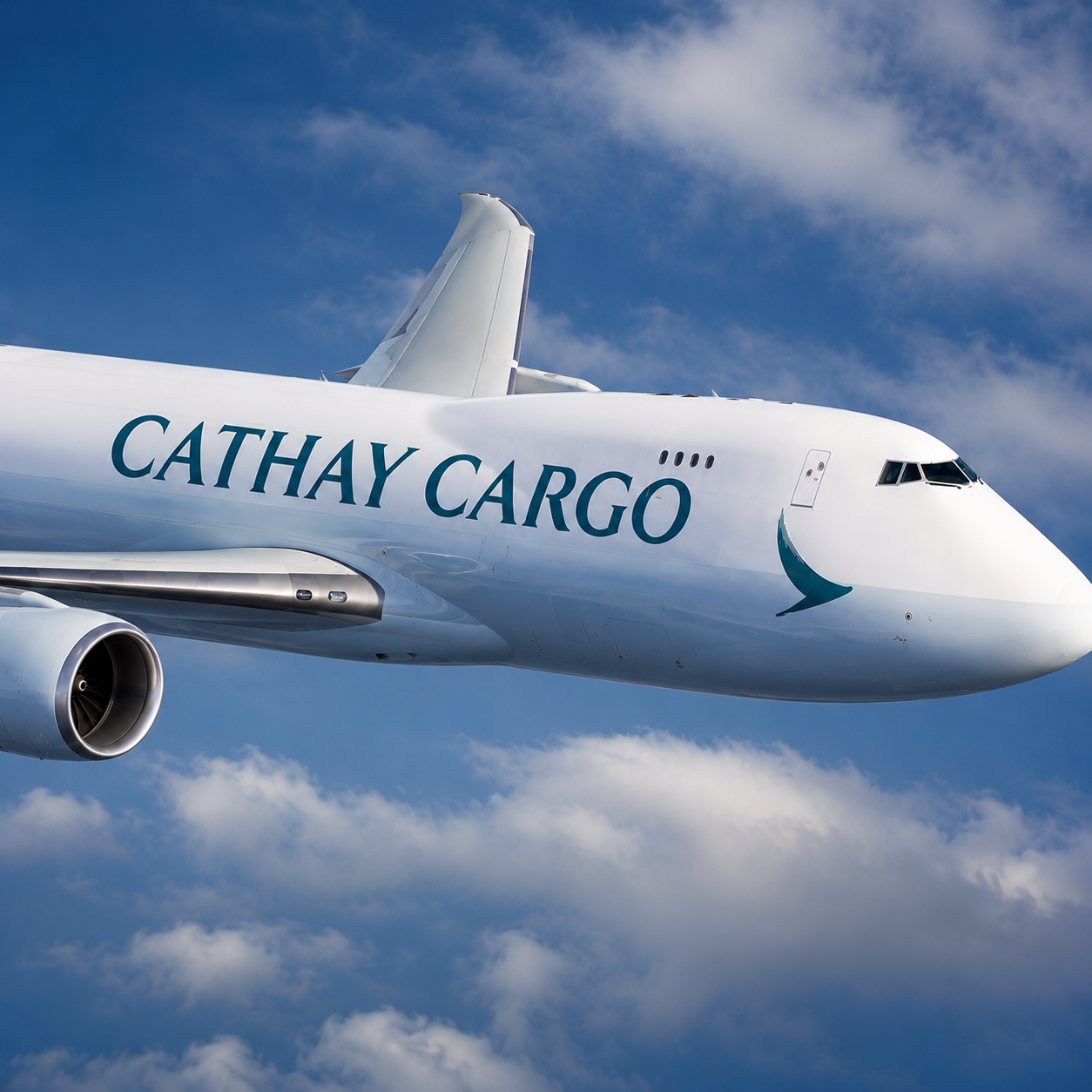
Airline partnerships
Dimerco works with airline partners such as Cathay Cargo to provide access to SAF programs across major trade lanes — without changing your existing shipping flows.
Book and claim model
Dimerco supports SAF programs through a book-and-claim approach, allowing verified emissions reductions to be allocated across shipments without changing routes.

Carbon reporting
Dimerco calculates SAF-related emissions reductions using transport emissions generated with EcoTransIT World. Aligning with ISO 14083, the GLEC Framework, and the GHG Protocol, this enables the data to be used for ESG reporting and internal tracking.

Program setup
Dimerco can structure SAF programs based on carbon reduction targets or shipment volume, depending on customer requirements.
Why SAF Matters for Air Cargo Sustainability
Air cargo plays a key role in global supply chains, particularly for high-value and time-sensitive shipments, but has a higher carbon footprint compared to other transport modes.
SAF allows companies to:
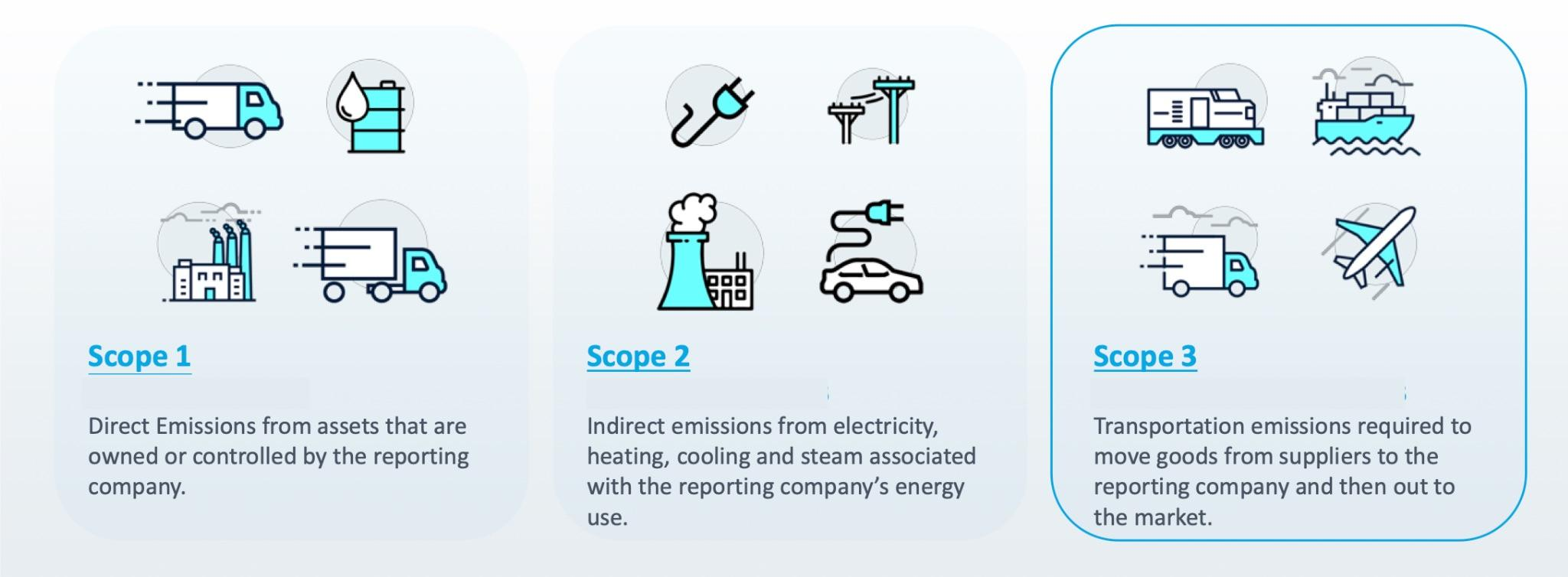
- Reduce Scope 3 emissions logistics with data that can be used for reporting
- Support CDP climate change disclosure
- Align with science-based targets (SBTs) and net-zero pathways
- Respond to customer and investor pressure
- Prepare for SAF mandates and carbon-related regulations
SAF is one of several ways companies can reduce logistics-related emissions, alongside strategies such as mode optimization and consolidation.
Why Dimerco?
Dimerco supports SAF programs through airline partnerships, carbon reporting, and program setup, while also advancing sustainability initiatives across its global operations.
Customers can adopt SAF without changing operations while still receiving emissions data for reporting across their air freight services.
Current SAF Programs
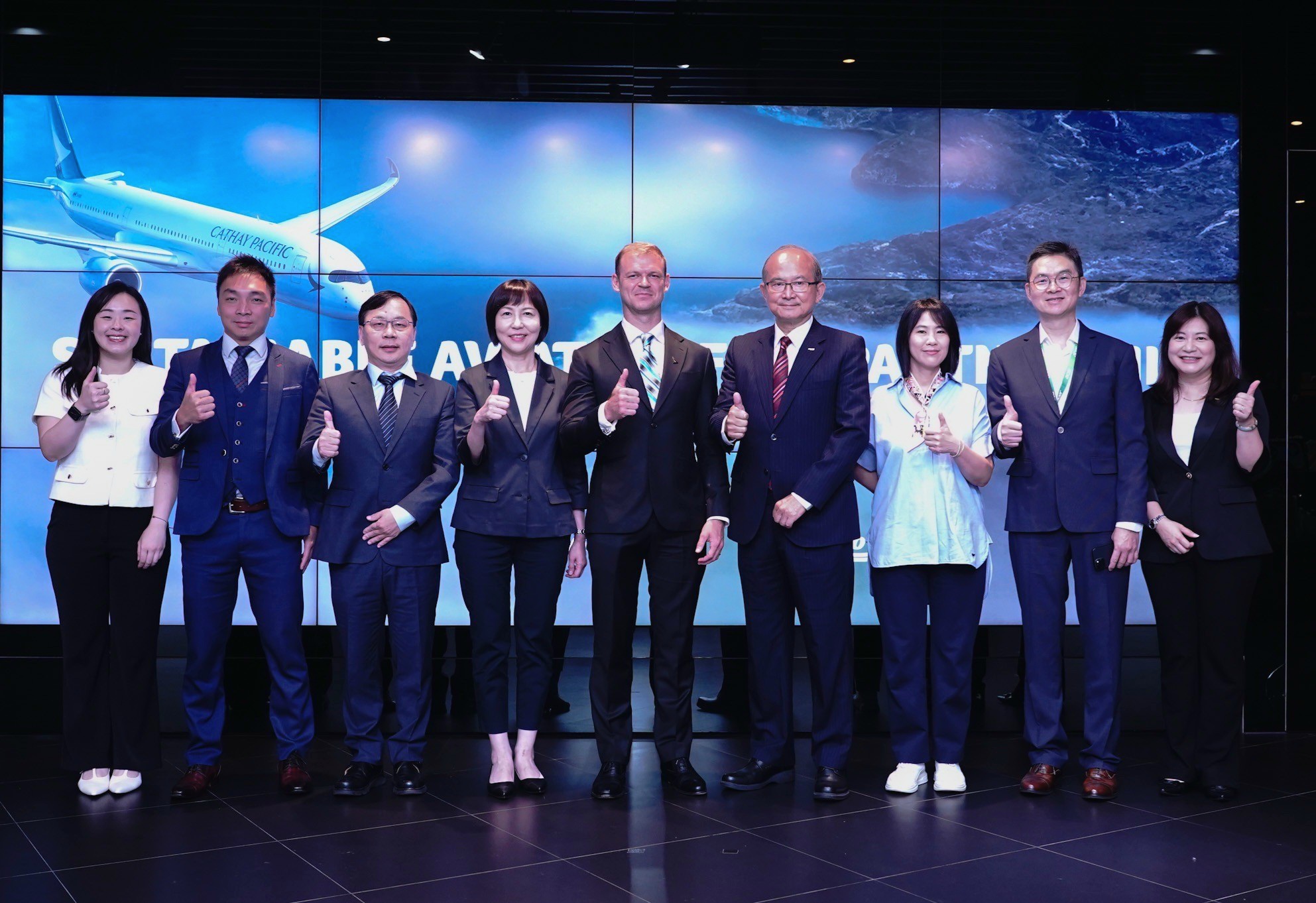
Dimerco is already working with airline partners such as Cathay Cargo and customers, including Acer, on SAF initiatives.
These efforts are part of Dimerco’s sustainability initiatives, including participation in SAF programs and collaboration with industry partners to reduce air freight emissions.
Digital Support Through MyDimerco
Through MyDimerco, customers can:
- Track shipments and visibility
- Manage documentation and workflows
- Reduce paperwork through digital processes
These tools support both operations and air cargo sustainability efforts.

Who Should Consider SAF
SAF is especially relevant for:
- High-tech, electronics, and time-critical shipments
- Companies with SBTs or net zero commitments
- Asia to US and Asia to Europe trade lanes

Start Reducing Your Air Freight Emissions
Explore how SAF can fit into your supply chain strategy with Dimerco.
FAQs
What does SAF mean for my shipments?
SAF allows companies to reduce air freight emissions without changing routes, transit times, or operations. Through Dimerco’s SAF programs, emissions reductions can be applied across shipments using a book-and-claim approach.
Why is SAF important for air cargo?
Air freight is one of the highest-emission transport modes. As a drop-in fuel substitute, SAF allows emissions reduction without changing operations.
How does SAF reduce emissions if it is not used on my shipment?
Dimerco supports SAF programs through a book-and-claim model, in which emissions reductions are allocated via verified certificates. This allows customers to claim reductions across shipments without changing routes or operations.
How does Dimerco support SAF implementation?
Dimerco supports SAF implementation through airline partnerships, program setup, and emissions reporting. This allows customers to adopt SAF while maintaining existing operations.
How does Dimerco provide carbon emission reports?
Dimerco calculates cargo transport emission reports using EcoTransIT World. This approach is aligned with ISO 14083, the GLEC Framework, and the GHG Protocol, so the data can be used for ESG reporting and internal tracking.
How are emissions reductions verified?
Dimerco issues the SAF certificate through the IATA CADO SAF Registry. The SAF Registry is a global system for recording SAF transactions in a standardized and transparent manner. It ensures that the environmental benefits of SAF can be tracked as they move through the SAF value chain and enables airlines and corporate customers to claim them against regulatory obligations and voluntary schemes.
Can SAF support Scope 3 reporting?
Yes. Dimerco provides SAF documentation and data that support Scope 3 emissions logistics reporting. These certificates help companies demonstrate measurable insetting actions and support ESG disclosures, CDP reporting, and SBTs progress tracking.
How is SAF pricing structured?
Dimerco can quote SAF based on carbon reduction or shipment volume, depending on customer needs.
Why is SAF more expensive?
SAF costs more than conventional jet fuel because production is still limited, feedstock supply is constrained, and infrastructure is not yet at scale. Demand is also increasing as companies work to reduce Scope 3 emissions. Costs are expected to improve as supply expands and production scales.
Why adopt SAF now?
Companies are under increasing pressure to reduce Scope 3 transportation emissions and show measurable progress. SAF is one of the few solutions available today that can reduce air freight emissions without changing operations. Early adoption helps secure a share of the limited supply and supports ESG reporting and carbon reduction targets.
Sustainable Aviation Fuel Articles



Start a Discussion
Tell us your global logistics challenge, and we can recommend a solution that meets your objectives at the right price.
For immediate assistance, contact a local office.
Dimerco Updates
Sign up for Dimerco updates, plus regular insights on how to keep your global supply chains flowing smoothly.
By subscribing you agree to receive Dimerco newsletters, blog posts, and other updates. You can unsubscribe at any time via our Privacy Policy.