
During a major shipment cycle to fabrication customers across Asia, a leading global manufacturer of semiconductor capital equipment faced a persistent and costly problem: shipping crates for large, precision-built tools were delivered to the installation sites visibly damaged.
The wooden shipping crates arrived with collapsed top panels after air freight transit. Even if the product inside isn’t actually damaged, the visual appearance of a damaged crate can call into question the quality and usability of the high-value machinery.
With equipment routed directly to wafer fabrication plants rather than to distribution hubs, without the opportunity for inspection, the company needed a logistics partner who could resolve damage at its source quickly and without disrupting production schedules.
Delays or damage to any critical components can disrupt the complex semiconductor and AI infrastructure supply chain.
Challenge
The equipment moved by truck from Oregon to San Francisco, then by air, usually via Singapore, to destinations across Asia.
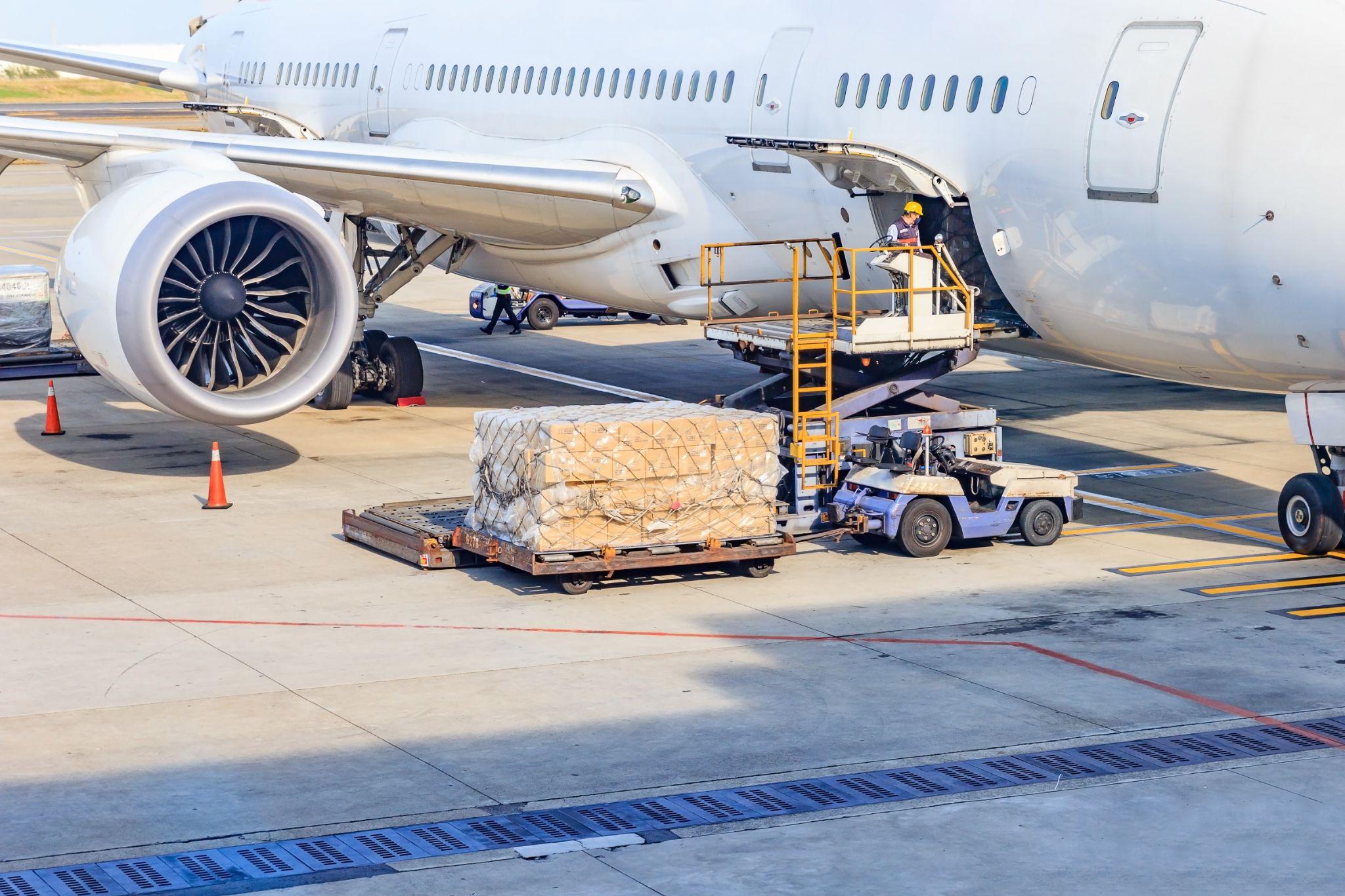
Roughly one in four shipments of the manufacturer’s wafer fabrication equipment required remediation on arrival, with damage concentrated on crate top panels that collapsed under weight during transit. This damage often occurred during aircraft loading, as airlines often stacked cargo on top of the 30-inch-high crates. The weight of overhead cargo exceeded the company’s original packaging design limits, resulting in damaged crates.
Shipments were also subjected to rough handling during domestic trucking moves from Oregon to San Francisco, particularly when multiple lightweight crates were shipped loose.
Beyond the cost of repairs and delays, the damage risked stalling customer production timelines and straining trust with a high-value account. The manufacturer needed a partner able to identify the root cause across a multi-leg, multi-handler supply chain, not just process claims after the fact.
Keys to Success
With a lengthy record of streamlining the semiconductor and electronics supply chain, Dimerco’s logistics team launched a months-long investigation into damage patterns by carrier and by lane, tracing failures back to handling before the crates ever reached the aircraft.
They found stacked freight in transit and suspension-free tug vehicles on the tarmac, compounded by a crate design with no resistance to vertical compression. Rather than presenting findings and waiting for approval, Dimerco engineered and quietly tested a fix, then brought data proving it worked at scale.

Root Cause Analysis
Damage data broken down by carrier and lane pinpointed vertical compression of the top panel as the primary failure mode.

Load-Bearing Redesign
External wooden 2×4 reinforcement turned the crate lid into a load-bearing surface, distributing pressure to the sides.

Proactive Validation
Dimerco tested the fix across 17,000+ shipments before presenting results, then supported the customer through their own redesign.
Fast Facts
The Packaging Fix Delivered:

95% reduction in top-panel air freight damage

Validated across 17,000+ shipments over six months

Zero redesign cost to the customer during the trial period
Results
The packaging reinforcement fix became the standard for this account’s air freight shipments, and the manufacturer’s own engineering team redesigned its crates around Dimerco’s approach, while Dimerco continued to support the improved packaging for nearly a year during the transition.
| Benefits | Business Impact | Measurable Improvement |
|---|---|---|
| Root-Cause Investigation | Identified vertical compression on the top panel as the primary failure point across the Oregon–Singapore–Asia lane | 1 in 4 shipments required remediation prior to the fix |
| Top-Panel Reinforcement | Wooden 2×4 beams converted the crate lid into a load-bearing surface, redirecting pressure to the crate sides | 95% reduction in top-panel damage across 17,000+ shipments |
| Proactive Rollout | Fix implemented and validated by Dimerco before being formally presented to the customer | Continued support for nearly 1 year while the customer redesigned its own crates |
| Domestic Transport Stability | Similar crates banded together to reduce shifting on the Oregon–San Francisco trucking leg | Fewer handling-related incidents on the domestic leg |
| Optimized Crate Stacking | Crates pre-stacked and banded to ~60″, narrowing headroom under the 64″ aircraft ceiling limit | Reduced risk of additional cargo being stacked on top |