Home »
The Logistics Challenges of the Global AI Infrastructure Buildout
Why Logistics Will Determine the Speed of Global AI Expansion
The expansion of AI depends on the seamless movement of critical infrastructure, including semiconductors, GPUs, servers, and networking equipment. Efficient logistics ensures these components reach data centers quickly, reducing deployment delays. As global AI demand grows, strong supply chains will play a key role in accelerating innovation, scalability, and adoption.
Executive Summary
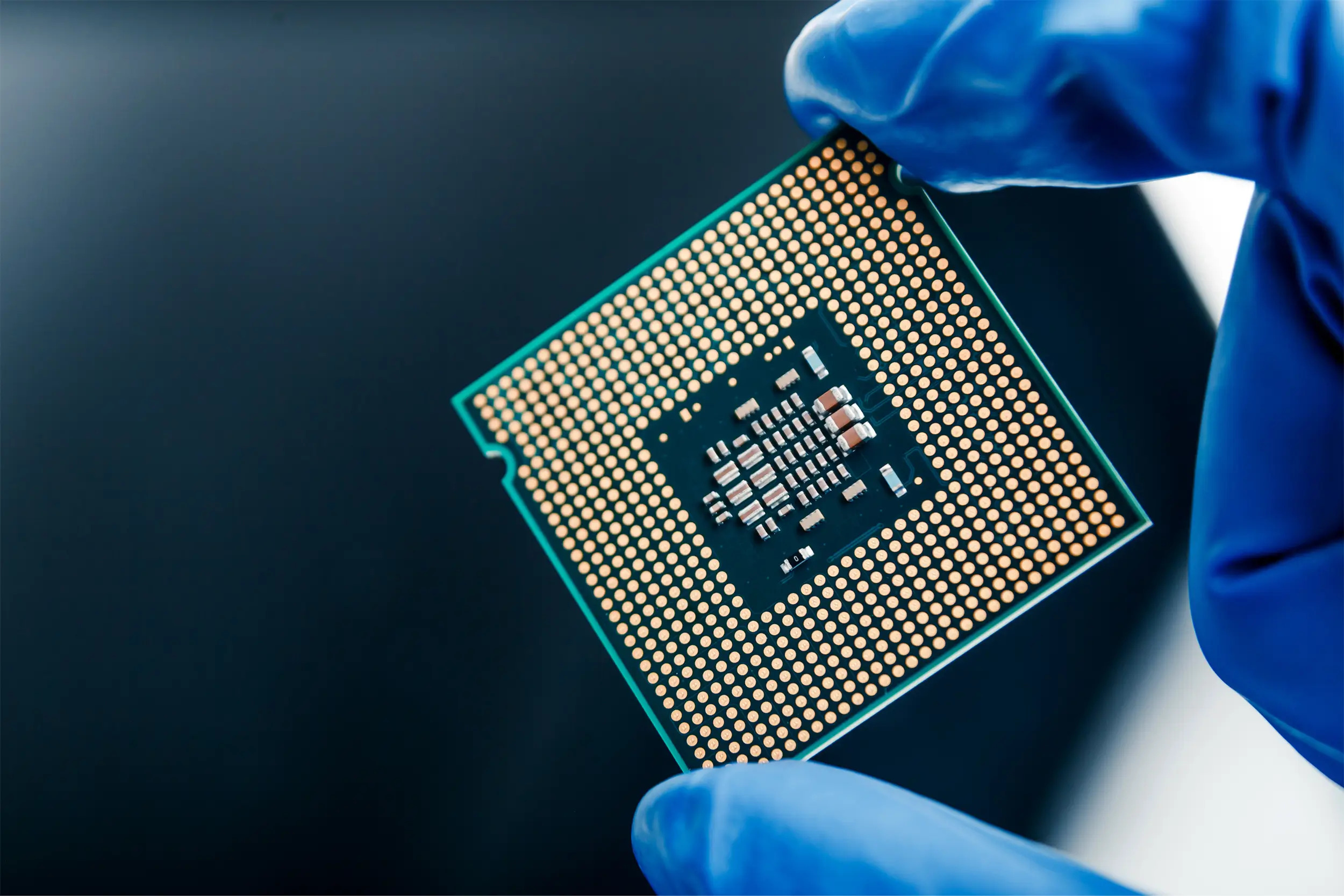
The global expansion of AI infrastructure is driving a sharp increase in the movement of high-value, sensitive equipment, including GPUs, servers, networking systems, power infrastructure, cooling technologies, and semiconductor components.
Production, assembly, and integration activities for these components are now spread across multiple regions, requiring coordination across countries, suppliers, regulating agencies, and delivery timelines.
This staggering complexity shines a bright light on logistics and the importance of coordinated management of hundreds of interdependent supply chains. Get it wrong, and there’s a severe price to pay. For example, a delayed AI server shipment that pushes back a data center launch by two days represents millions in lost opportunity costs.
This creates a new logistics reality: Logistics is no longer just a downstream function—it is an essential enabler of the global AI data center buildout.
Compared to traditional electronics, the shipment of equipment to support massive data center deployments involves:
- More stringent trade compliance as equipment travels through multiple countries
- Higher value concentration per shipment
- Greater attention to product handling during the shipping process, given the sensitivity and high value of the equipment
- Tighter delivery synchronization with data center deployment schedules
Manufacturers that plan their logistics strategy around these realities will be better positioned to support AI growth without delays, regulatory issues, or cost escalation. This eBook will help makers of AI-related components understand the global AI supply chain and address related complexities before they become disruptions.
Logistics of Building a Global AI Data Center
The data center boom is creating a new class of logistics challenges that only tightly coordinated, globally connected freight partners can solve. This article explains the essential requirements for AI infrastructure logistics.
Semiconductor Supply Chains Are Going Regional
Semiconductor supply chains are evolving as manufacturers rethink how and where manufacturing, packaging, testing, and assembly take place. This article maps the realities of the new semiconductor network.
The Logistics Challenges of the Global AI Infrastructure Buildout
Why logistics will determine the speed of global AI expansion.
UNDERSTANDING THE AI SUPPLY CHAIN
The rapid expansion of AI applications is driving a massive data center buildout and strong demand for servers, semiconductors, and supporting infrastructure.
At the same time, supply chains are being reshaped by geopolitical factors, capacity constraints, and evolving production strategies.
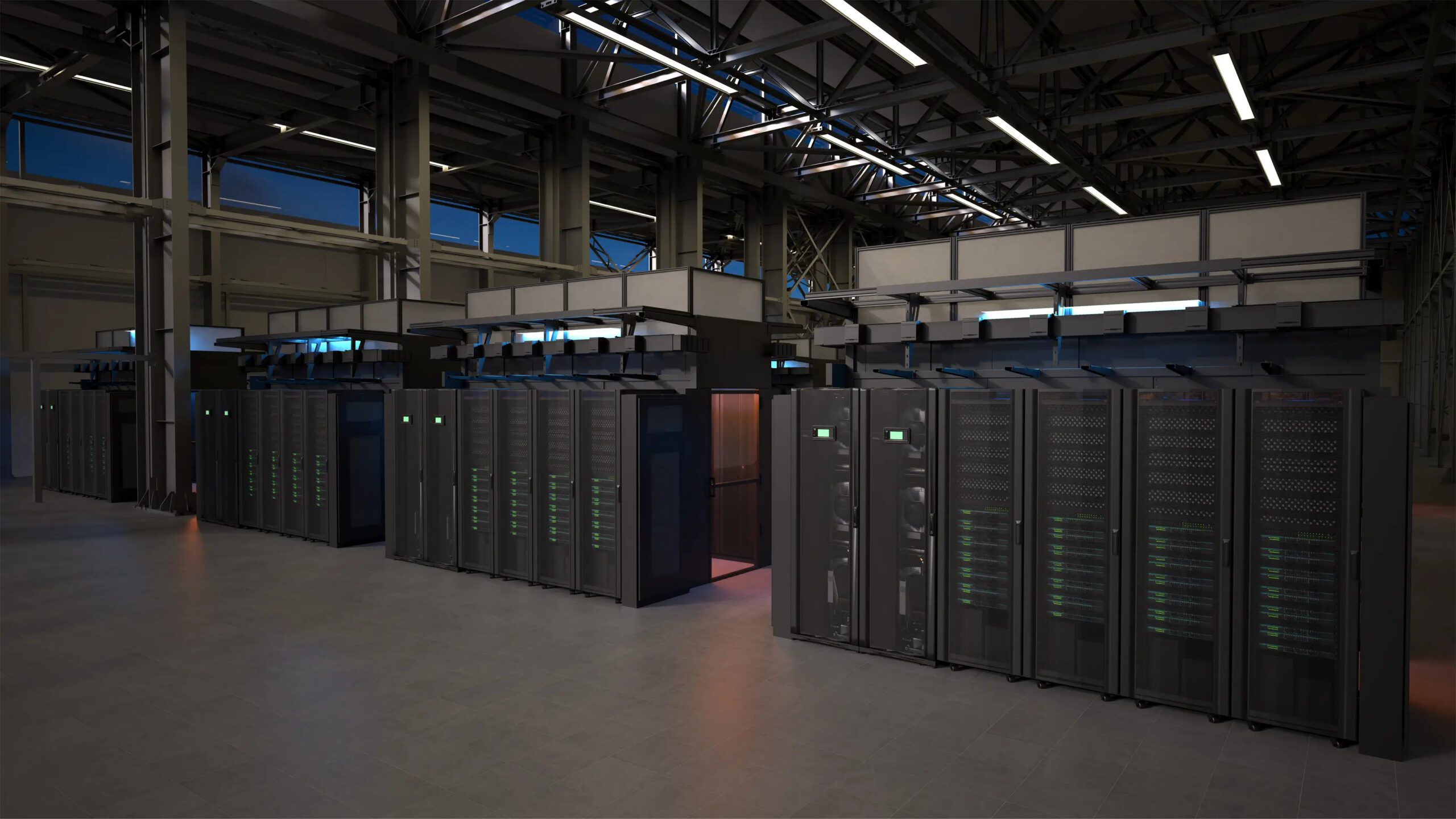
Mapping the AI hardware supply chain
Every AI data center rack represents a multi-stage global supply chain.
From semiconductor fabrication to final deployment, the process involves multiple regions, suppliers, and integration points.
This “fab-to-rack” journey is no longer linear. Instead, it is coordinated across regions and synchronized through intermediate logistics layers. AI infrastructure is no longer delivered as individual components, but as integrated systems assembled across multiple locations, with coordinated delivery under strict timelines.
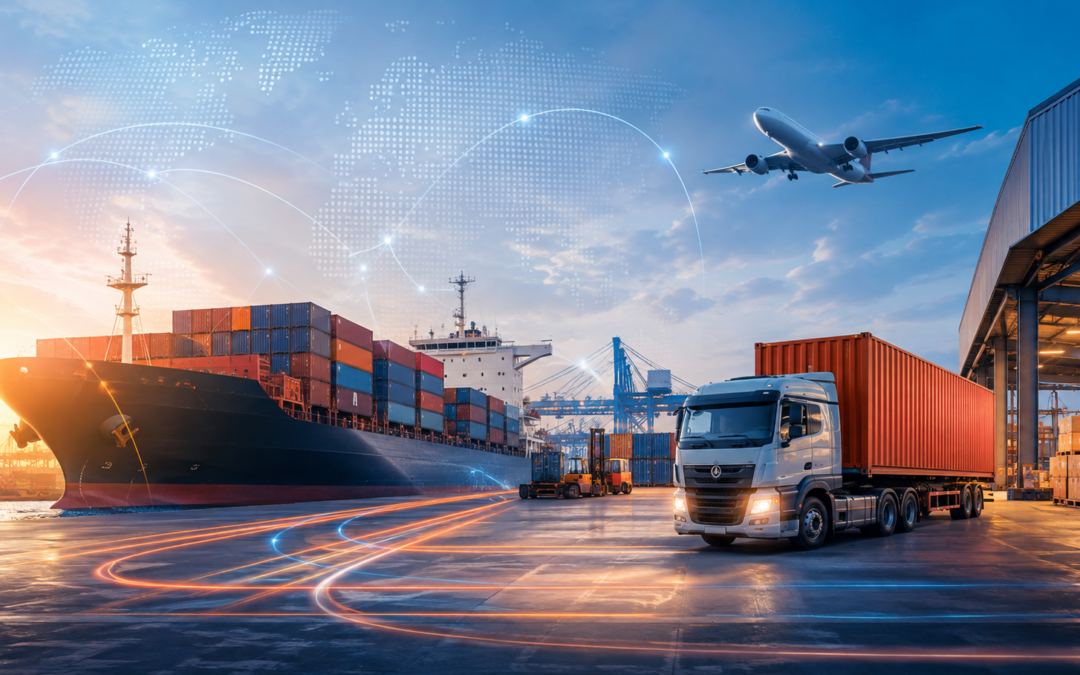
As a result, logistics must serve as a coordination layer for global shipping, trade compliance, staging, and final delivery to data centers.
Semiconductor Logistics Expertise
Based in Taiwan, Dimerco serves some of the largest firms in the semiconductor ecosystem. Read more about Dimerco’s experience and expertise in shipping sensitive, time-critical
cargo.
Contract & 3PL Logistics Services
Many supply chains depend on Asia for production and sourcing. Dimerco provides local expertise across China, India, and Southeast Asia while connecting to global markets. Read more about Dimerco’s integrated services.
The AI supply chain typically includes:
As the AI infrastructure boom strains production capacity, production and services are shifting to locations that can meet demand.
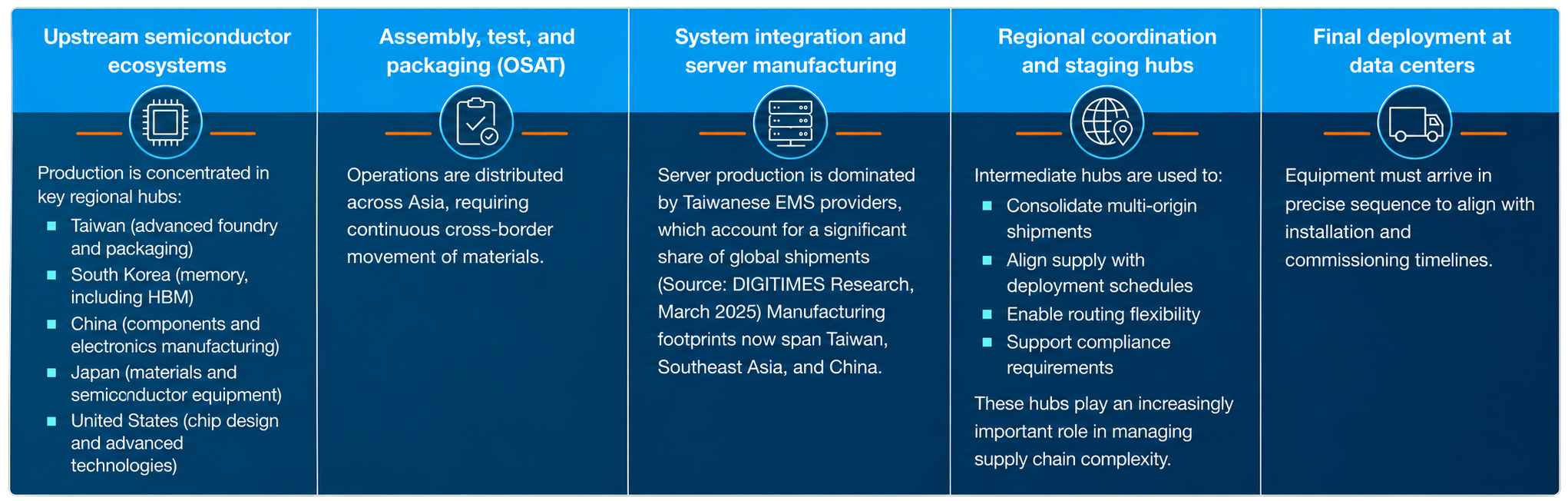
The AI supply chain is not linear.
It is a coordinated, multi-region system requiring synchronization across manufacturing, logistics, and deployment.
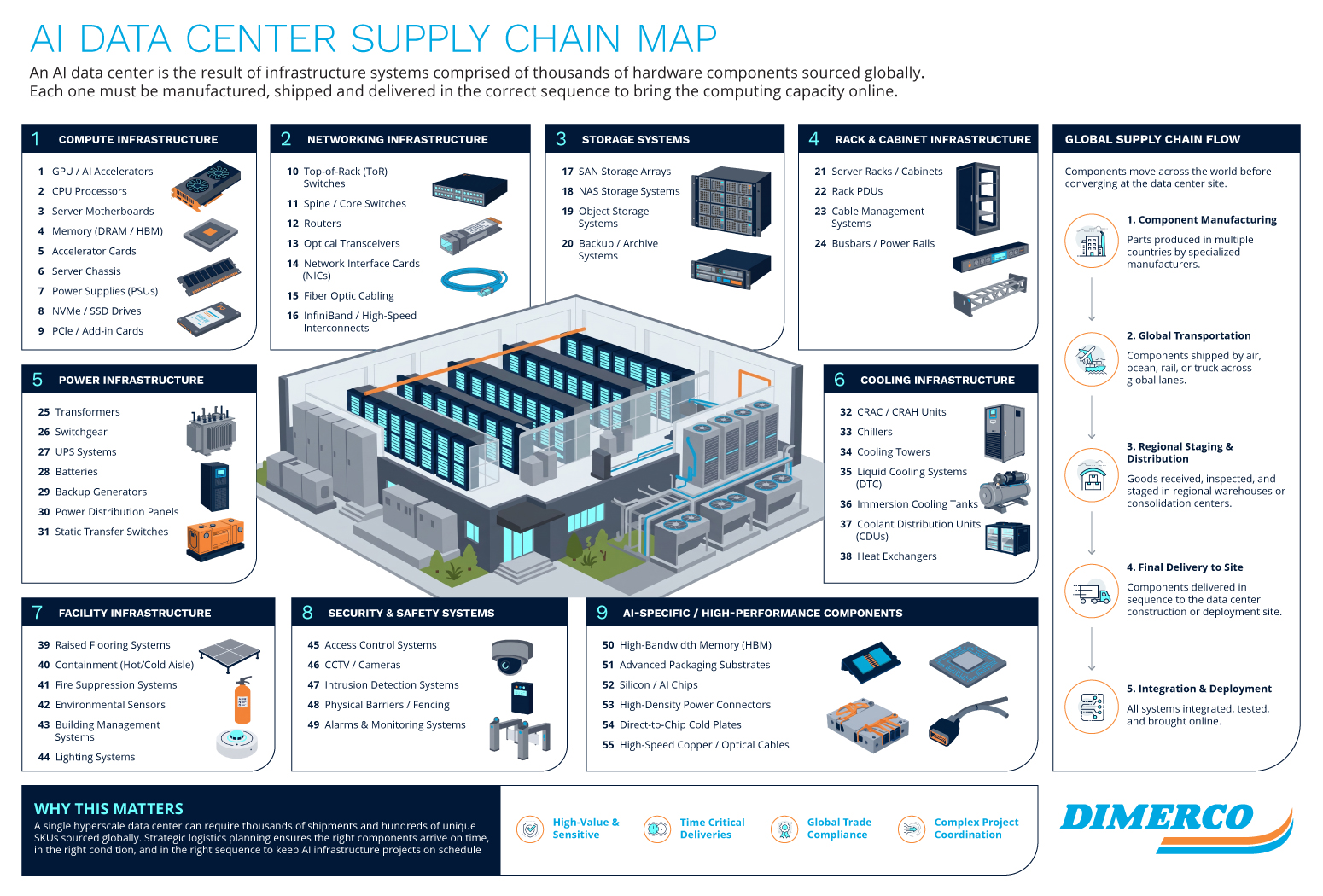
Plan your AI Data Center Infrastructure Logistics Strategy
If you’re managing multiple sources, tight deadlines, and fragile products for a data center build-out, let’s build a plan together. Dimerco helps you create a supply chain strategy that assigns responsibilities, reduces preventable risks, and minimizes disruptions as cargo moves toward its final destination.
NEW LOGISTICS PRESSURE POINTS
As AI technology becomes a new currency worldwide, logistics services face an array of obstacles and pressure points that could delay projects or drive up the costs of construction and deployment.
Trade compliance as a structural constraint
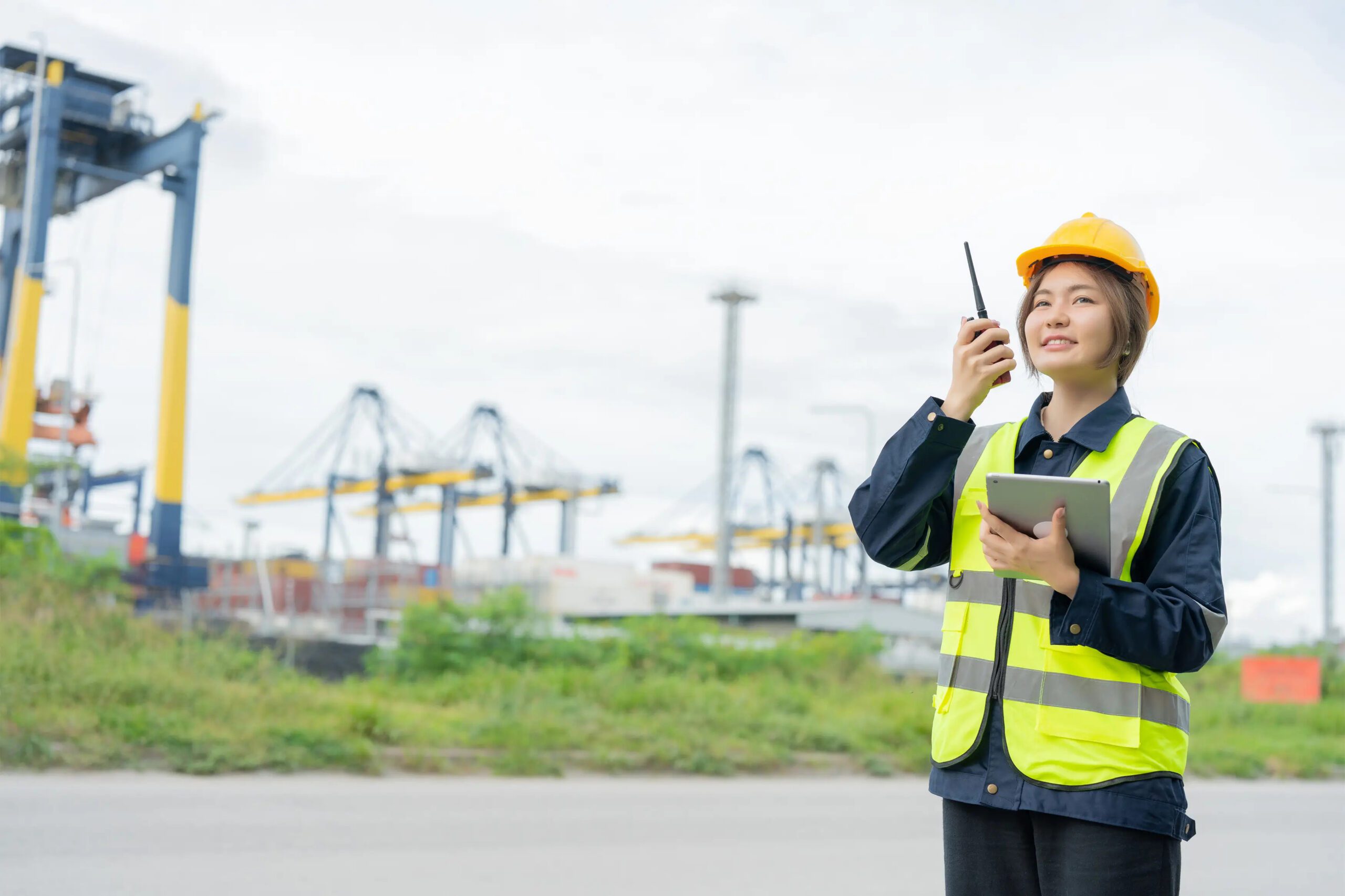
Governments are increasingly regulating AI-related technologies, and the resulting supply chain design is shaped by tariffs, trade policies, export restrictions, and market access constraints.
Many of the components are highly regulated due to the potential dual-use nature of advanced computing components, such as semiconductors.
These products are often subject to accurate export control classification numbers (ECCN), country-specific restrictions, and end-use and end-user verification requirements (to ensure components are not moving to countries or companies that may use them for military purposes).
Components are subject to country-of-origin (COO) determination, which will determine tariff rates based on regulations covering substantial transformation and whether that influences the COO. Without an accurate COO determination, components could be subject to higher tariff rates.
Case Study: Supporting Export Control Compliance for Semiconductor Company
Dimerco supported this high-tech manufacturer with end-to-end logistics and compliance services for controlled components from Dimerco’s Singapore warehouse.
The products handled included semiconductor components classified under controlled categories such as:
- 3A (national security / anti-terrorism controls)
- 4A (advanced computing and AI-related technologies)
- 5A (telecommunications and encryption-related items)
In addition to coordination of packing, relabeling and global shipping coordination, Dimerco’s service encompassed:
- Accurate product classification aligned with ECCN requirements
- Verification of end-use and end-user eligibility
- Preparation of export documentation in line with applicable regulations
- Coordination with customs authorities for permit processing and clearance
Dimerco’s team worked with the customer to manage the export process with minimal delay, ensuring compliance with multiple customs frameworks:
- SGCA (Singapore Strategic Goods Control Act)
- BIS (U.S. Bureau of Industry and Security)
- CCL (Commerce Control List)
Compliance Implication
AI hardware increasingly falls under controlled categories. As a result, compliance requirements are stricter, and enforcement is more data-driven. The requirement for visibility into supply chains for customs enforcement is increasing.Trade compliance is no longer a back-office function. It is a core operational capability embedded within logistics execution.
Dimerco’s Customs Compliance Expertise
Customs expertise can help you reduce delays, control costs, and maintain compliance through a single, integrated approach to logistics and customs management. Read more about Dimerco’s customs brokerage and compliance services.
Dimerco’s US Trade Compliance Services
Dimerco’s US trade compliance advisory services help businesses make sense of trade complexities to minimize duty payments, avoid penalties, and keep import-export operations running smoothly.
Read more about Dimerco’s US trade compliance services.
Capacity constraints and execution flexibility
AI demand continues to put pressure on freight capacity, particularly in air freight. These data centers are massive in scale and require lots of high-value equipment to arrive within a tight window.
One recent Dimerco project involved tight-timeline shipping of 320 server racks, which could easily consume available freight capacity on a given lane. You need forwarding partners with the muscle to access this capacity – sometimes on short notice.
Of course, flexibility is also required. Companies are adopting more adaptive execution strategies:
- Multi-modal transportation solutions
- Strategic use of regional hubs
- Dynamic planning based on real-time conditions
AI server and infrastructure manufacturers need logistics partners with strong carrier relationships in Asia, FTZ and bonded warehousing capabilities, expertise in export controls and trade compliance, and proven experience coordinating complex, multi-origin shipments under tight deployment timelines.
Operational Priority
Supply chains must be optimized for reliability and control — not just speed. Flexible logistics planning and execution can alleviate capacity constraints and ensure demanding schedules stay on track.
Taiwan’s Outsized Role in AI Supply Chains and Its Use as a Coordination Hub
As the epicenter of global semiconductor manufacturing, Taiwan plays a dual role. It is not only a core semiconductor production base but also a strategic logistics coordination hub. Its mature logistics infrastructure – road system, freight capacity, modern customs processes – makes it a primary hub compared to other origin points in Asia that may struggle to keep pace with high-volume, high-speed shipping projects.
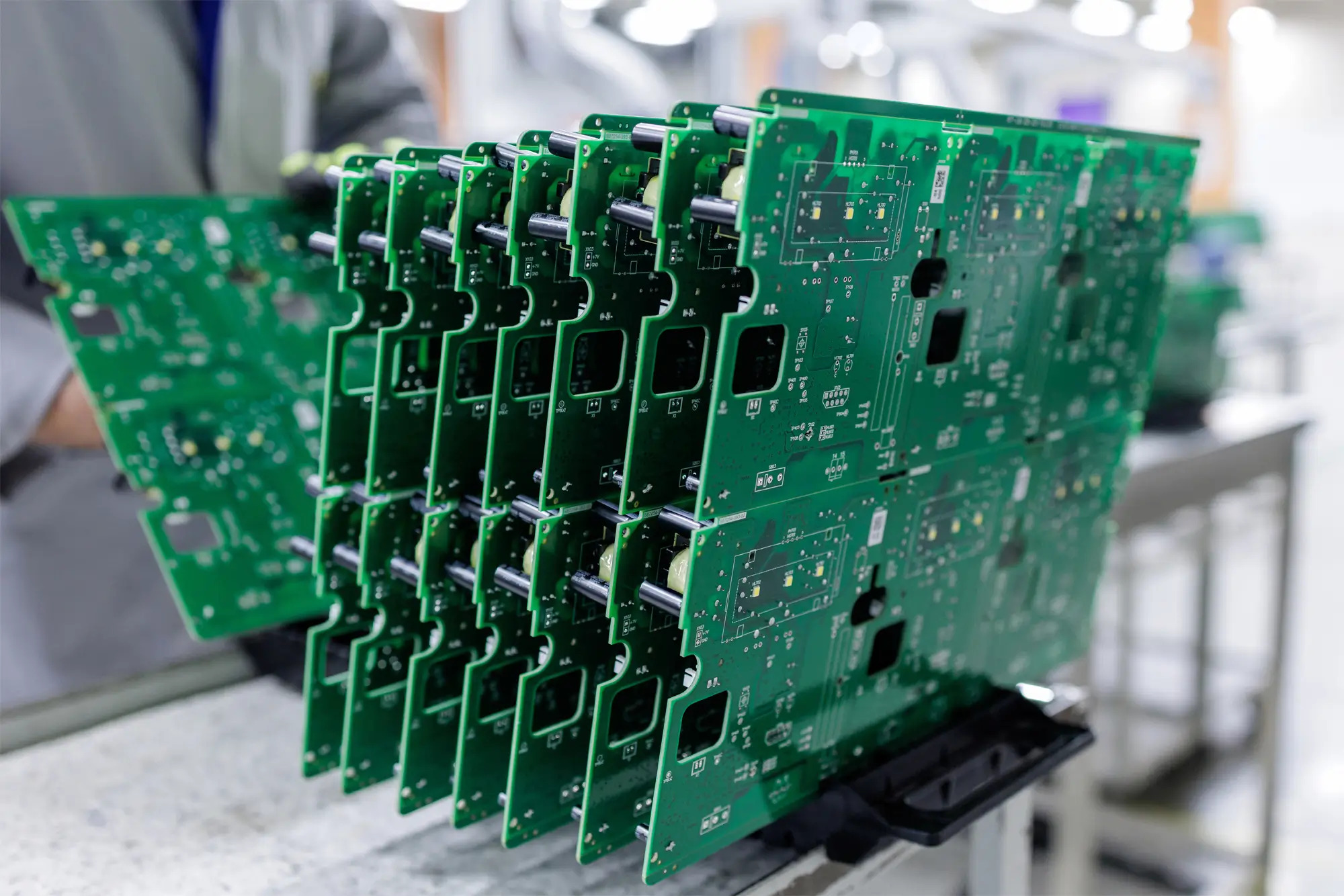
Taiwan is home to numerous free trade zones (FTZs) and bonded warehouse environments, which enable cash flow advantages and large-scale consolidation and staging. And Taiwan’s outbound air freight capacity to the U.S. is significant.
It’s important to note, however, that if needed, this capacity can extend beyond Taiwan carriers like Eva Air and China Airlines; freight can be routed through Mainland China to access freighter capacity there. Some assume that use of Chinese carriers to reach the U.S. would raise country-of-origin concerns for U.S. customs authorities, but that’s not the case when it’s a trans-shipment that originates in Taiwan.
It helps to work with a freight forwarder that knows the Asian market and understands how to leverage creative air-freight strategies to support high-priority shipping projects.
Key takeaway
As a manufacturing and supply chain hub, Taiwan is uniquely positioned to support fast-paced AI infrastructure projects.
Taiwan Freight Forwarding and Logistics Services
Dimerco serves a wide range of industries through freight forwarding services, with a specialization in semiconductor manufacturers. Learn more about Dimerco’s commitment to Taiwan.
Taiwan Warehouse
Advantages
Dimerco’s primary Taiwan warehouse is strategically located to support manufacturers of AI infrastructure. Learn more about Dimerco’s capabilities for bonded and general warehouse
services.
Insurance and the need to manage risk for these high-value shipments
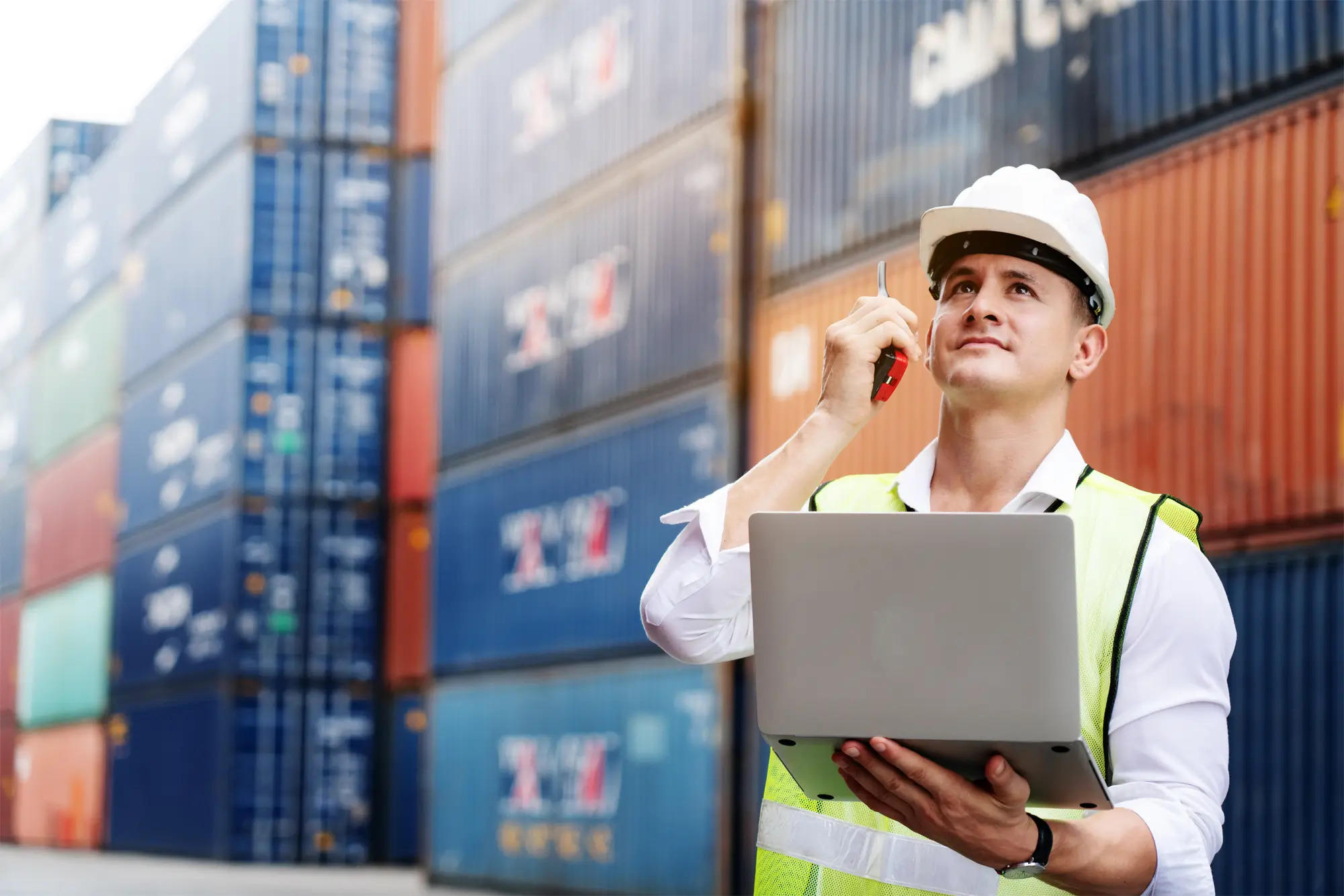
Due to the high value of AI equipment, coverage limits may cause shipments to be split into multiple consignments or distributed across multiple transport movements.
These insurance limitations influence planning decisions and ultimately supply chain performance. Delivery windows may be extended to meet insurance underwriters’ limits on exposure per transport move. Shipments may need to be spread across three flights per week to reduce per-flight exposure. Truck capacity may not be fully utilized, resulting in more shipments, complex planning, and higher costs.
Today, AI logistics planning is driven by risk management — not just efficiency.
Key takeaway
Understand the impact of insurance risk on your supply chain planning—you may have to adapt your schedule and budget to be less efficient.
Freight Forwarding Cargo Insurance Services
High-value cargo shippers need door-to-door coverage worldwide across all modes of transport. Learn more about Dimerco’s cargo insurance services.
Your Cargo Risk Insurance Questions Answered
All-risk cargo insurance offers blanket protection from door to door. Find out more about how Dimerco’s all-risk insurance manages your liability exposure.
Handling High-Value AI Server Racks to Avoid Damage
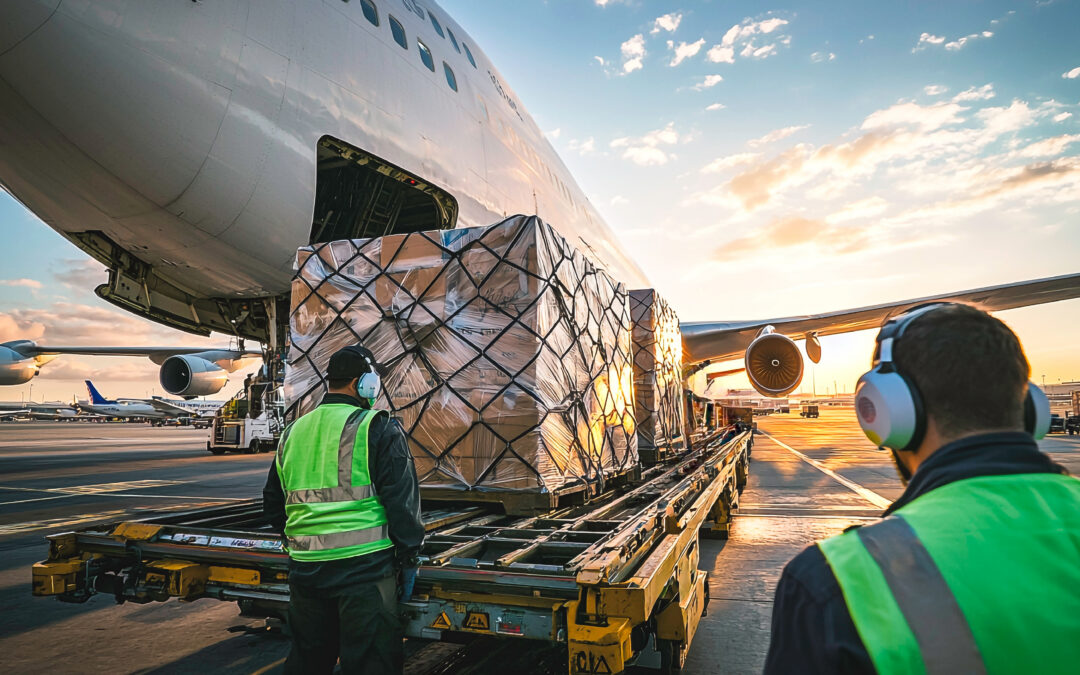
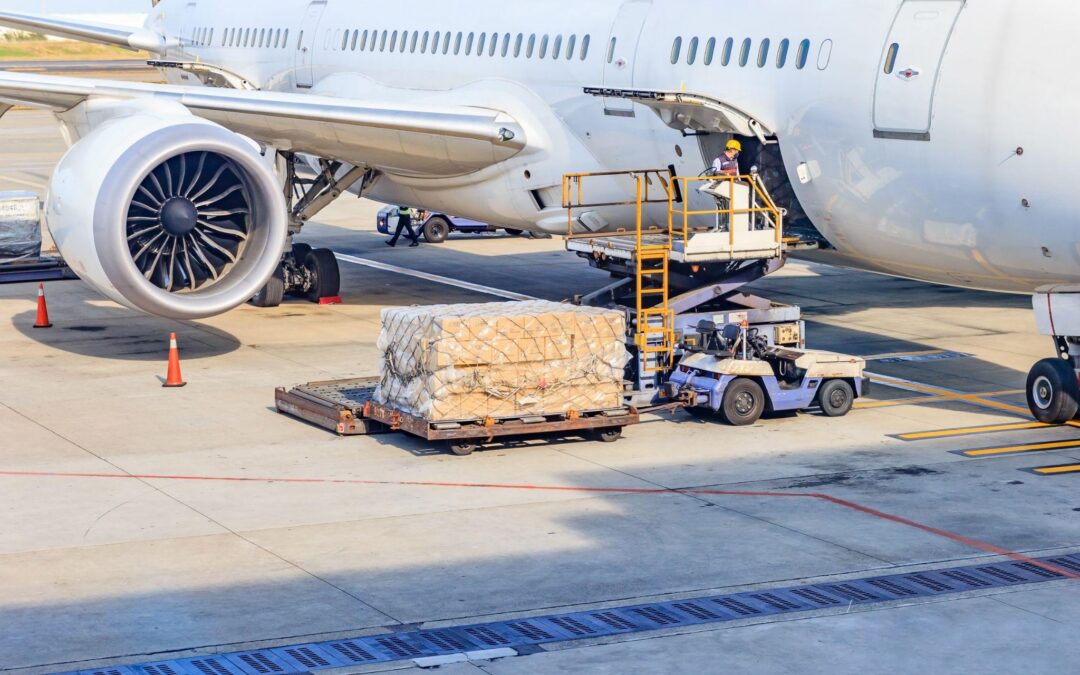
Finished racks present some transportation challenges. They are often oversized, particularly when crated for shipment, and therefore consume more air freight cargo volume.
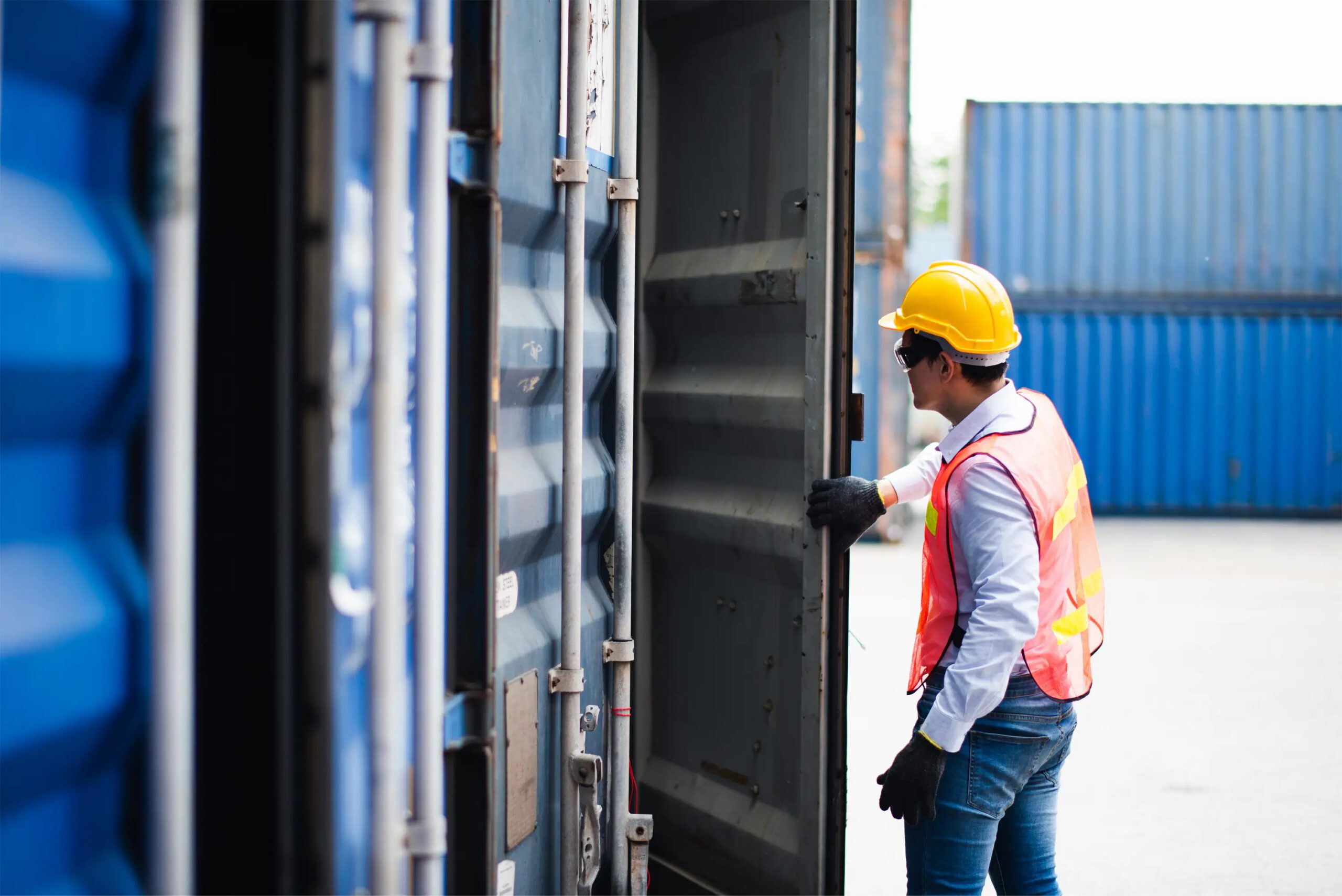
A successful delivery starts with controlled handling before transport begins. Work with your air freight forwarder to facilitate an equipment inspection before pickup, with strict PO and packing list verification and full photo documentation. Shockwatch and tilt indicators are essential for monitoring shifting and damage during the flight.
As air cargo preparation or ULD buildup gets underway, monitor handling discipline at each step. Continuously monitor operators for controlled forklift handling with stable, upright positioning of the product.
While building the ULD, supervise handling to minimize gaps between racks, apply protective covers and secure with approved ULD netting.
Execution quality directly impacts deployment success. Even a small delay or minor damage can ripple through the deployment timeline. Make sure your logistics provider excels at these responsibilities:
- SOP discipline
- Trained personnel
- Full visibility
Following these steps will help shippers avoid damage and unhappy customers.
Key takeaway
Plan your schedule and budget for the necessary handling standards to meet customer requirements on highly sensitive cargoes.
Shipping Capital Equipment to Semiconductor Foundries
Sensitive, high-dollar semiconductor fab equipment requires as much care as silicon wafers and AI server racks. Learn more about Dimerco’s expertise in handling mission-critical cargo.
Dimerco’s VIP Delivery
Services
For high-value goods, use a trucking company with a dedicated fleet and experienced drivers to ensure safe, timely delivery. Check out Dimerco’s premium delivery services.
White glove delivery and deployment integration
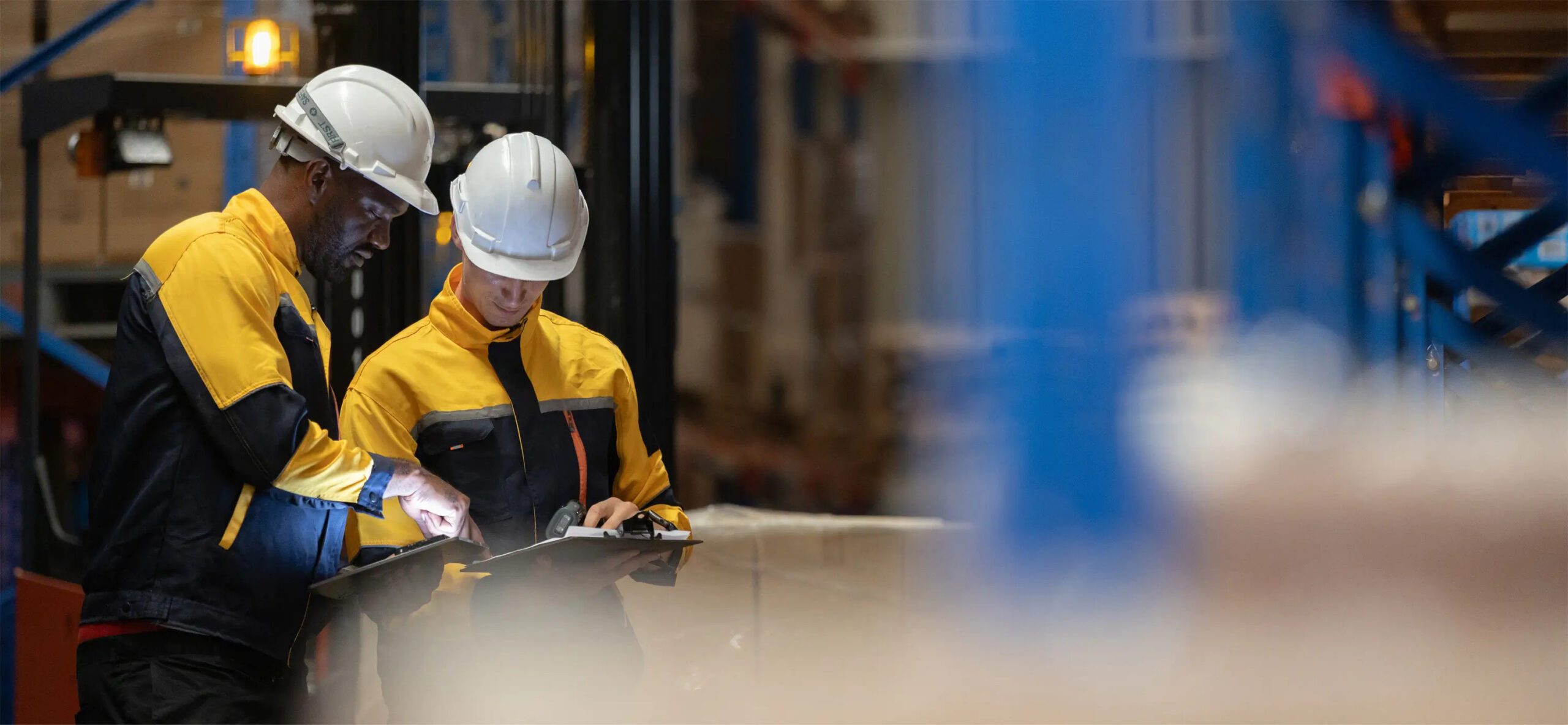
First- and final-mile logistics coordination must meet the precise timelines of data center construction. Communication and coordination ensure all parties understand their responsibilities and timelines within the overall project schedule.
Dimerco coordinates white-glove or premium delivery and deployment services on a coordinated schedule to specific locations. Highly trained workers unload AI infrastructure according to strict guidelines.
Delivery schedules may have to shift to accommodate local restrictions on time of day or vehicle access. Some cities will allow truck traffic only during certain times of the day or may have vehicle size restrictions in tight spaces. Have a system to communicate these last-minute adjustments to all parties.
The deployment plan should include:
- On-site positioning based on layout requirements
- Checklist validation
- System readiness verification
- Integration of transport modes, including final-mile trucking
The final plan execution must align with move-in schedules, installation timelines, and multi-party coordination. Temporary storage near the data center may be necessary to stage equipment deliveries before the final installation date. You’ll want a logistics partner that can make this happen.
Trucking plays a primary role in ensuring timely, damage-free delivery. Specify air-ride trucks to reduce vibration for sensitive equipment. First-mile and last-mile movements require tight control for visibility and security.
Cross-border and domestic trucking (e.g., Mexico to the U.S.) forms a key part of delivery, so customs expertise is required to ensure proper documentation is on hand to facilitate a seamless border crossing.
Logistics is integrated into deployment readiness—not just delivery.
Key takeaway
The first mile can be as important as the last mile—make sure the shipment starts off with the same level of execution as the delivery.
Sustainability in AI infrastructure logistics
As AI infrastructure expands globally, companies are increasingly balancing deployment speed, supply chain resilience, and sustainability objectives.
AI data center projects often depend on time-sensitive shipments of high-value equipment, making air freight a necessary part of the logistics strategy. At the same time, manufacturers are seeking practical ways to reduce the environmental impact associated with these urgent transportation requirements.
This creates greater focus on logistics network design, including:
- shipment consolidation across origins
- strategic use of regional hubs
- balancing air and ocean transportation based on project timelines
- improving routing efficiency where possible
For urgent air freight movements, Sustainable Aviation Fuel (SAF) programs offer shippers a practical pathway toward lower-emission logistics through carrier partnerships already incorporating SAF into daily operations. Unlike traditional carbon offsets, SAF is considered a more direct “inset” approach because the emissions reduction occurs within the aviation supply chain itself, helping customers decarbonize transportation activities tied directly to their cargo movements.
At the same time, many AI infrastructure supply chains continue to rely on ocean freight for less time-sensitive cargo, supporting a more balanced transportation strategy across cost, speed, resilience, and sustainability priorities.
Key takeaway
Supply chain resilience, execution speed, and sustainability goals do not always align perfectly. Companies that proactively design flexible and efficient logistics networks will be better positioned to manage cost, risk, and environmental impact as AI infrastructure investment continues to accelerate.
Dimerco’s Commitment to Sustainable Logistics
Dimerco has adjusted work practices to reduce the carbon impact of our activities on the environment. Find out how sustainable logistics can be a part of your AI infrastructure
plan.
Sustainable Aviation Fuels to Decarbonize Air Cargo
Dimerco partners with air carriers committed to SAF to help achieve a net-zero carbon emission goal for the transportation industry. Read more about how SAF helps build a more sustainable supply chain.
Accelerate AI Infrastructure Expansion with Logistics Excellence
Logistics has become a vital enabler of the global AI infrastructure buildout. To keep pace with this ground-breaking transition in the economy, supply chains are becoming:
- More distributed
- More interconnected
- More compliance-driven
- More execution-sensitive
Industry data and operational experience point to a clear conclusion: Logistics must be integrated into supply chain planning — not treated as an afterthought.
To support your AI infrastructure strategy, work with a global logistics provider that has semiconductor industry experience, control-tower capability, and execution discipline needed for AI data center build-outs.
Dimerco’s 130+ Asia-Pac offices and deep semiconductor logistics experience help manufacturers coordinate high-value AI infrastructure shipments across Taiwan, Southeast Asia, China, Mexico, North America, and Europe.
Our teams help you select the best ports and carriers, prepare documents, and manage compliance with local regulations. With our global network, we can manage temporary warehouses and distribution centers, last-mile carriers, and other service providers. A coordinated, strategic approach to AI infrastructure logistics connects manufacturing, global shipping and last-mile delivery to keep your project on schedule.
Talk to a Dimerco expert to get started.